
Treatment · Physical therapy in Dallas, TXPhysical Therapy for Active Adults
Get back to the gym, the course, the court or the trail after pain or an injury — and keep going, with a plan built around the way you actually like to move.
- A full 60 minutes with Dr. Lockett — never handed to an aide
- Keep training while the problem is treated, wherever that is safe
- At the North Dallas clinic, or at your home, office or gym

The short version
Physical Therapy for Active Adults in 30 seconds
What it is
Physical therapy for people whose goal is to keep doing what they enjoy: treating the ache or injury that is in the way, rebuilding what it took, and keeping you moving afterwards.
What it looks for
Not just the joint that hurts. The stiffness, weakness or old injury somewhere else in the chain that your body has been quietly working around.
What you leave with
Hands-on treatment for what hurts now, and a strength program that fits your week and progresses — not a list of stretches.
Why people choose it
What you get out of physical therapy for active adults
For adults who lift, run, golf, play pickleball or simply keep moving: treat what hurts now, get back to it, and build the strength that keeps you there.
Keep moving while it heals
Most aches in active adults respond to changing the load, not stopping. The plan adjusts what you do instead of taking everything away.
The cause, not just the sore spot
A full neuro-musculoskeletal examination looks at range, strength side to side, balance and the movement your activity repeats. We don’t guess, we assess.
Hands-on care for what hurts today
Manipulation, dry needling, cupping and instrument-assisted work, chosen from the examination and followed by loaded exercise so the change holds.
Strength without heavy weight
When a joint or tendon cannot take heavy load yet, blood flow restriction lets the muscle work hard with light weights.
A plan to stay injury-free
Once you are back, the work shifts to strength, gradual load and catching small problems early — the habits that keep an active week going.
One clinician, the whole hour
Every visit is 60 minutes with Dr. Lockett. The person who examined you is the person treating you, every time.

Worth knowing
“I’m old, I’m supposed to hurt”
Pain does not simply show up with age — it is the result of injuries, muscle and skeletal misuse over time. Movement caused the pain to appear, and correct movement and coaching can help it go away. That is the idea behind this whole page: muscles, tendons and bones keep responding to training at every age, so the answer to an ache is rarely to stop moving.
What it commonly helps with
Inside a session
What actually happens
Free discovery visit
We talk first: what you do, what is getting in the way, what you have tried, and whether this approach suits your problem. No charge, no obligation.
Full examination
Range, strength side to side, balance, single-leg control and the movement your activity repeats — plus a screen for anything that should see a physician first.
Treat, then load
Hands-on treatment for what hurts now, then loaded exercise in the same hour, with the training you are keeping adjusted rather than dropped.
Back to it, and staying there
A progression back to full activity, then a strength program you run on your own, with check-ins to keep it moving forward.
What to expect afterwards
First visit
Your activity and goals reviewed, a full examination, your findings in plain language, and treatment in the same hour.
While you are getting back
One to two visits a week until the result holds, with your training changed rather than stopped wherever that is safe.
Once you are back
A program you can run on your own, and periodic check-ins for ongoing wellness, mobility and preventative care.
Be honest with yourself
Is physical therapy for active adults right for you?
Being told “not this, and here is why” is part of the service. If it is not the right tool for your problem, you will hear that at the free discovery visit.
A good fit if
- An ache has started changing how you lift, run, swing or play
- The same problem keeps coming back every few months
- You stopped an activity after an injury and want to return to it properly
- You have been told to “just rest” and it has not worked
- You are starting a new sport or a bigger training load and want to be ready
- You want one clinician who understands why you want to keep moving
Tell us first if
- A calf that felt struck from behind, or you cannot rise onto your toes on one leg — get it seen by a physician the same day
- A joint that is swollen, gives way or locks after an injury — it needs assessing before training continues
- New numbness around the groin, or bladder or bowel changes — seek urgent medical care
- Unexplained weight loss, fever or night pain along with your pain
- You want passive treatment only, with no exercise — it will not hold
- You need in-network billing only — this is an out-of-network practice
In depth
Everything else worth knowing
Written for people who want the reasoning, not just the summary.
Physical therapy for active adults in Dallas, and who it is for
This page is for adults who move for the enjoyment of it: you lift a few times a week, run before work, play golf, tennis, pickleball or pickup basketball, hike on vacation, take group strength classes, or simply want to keep walking, gardening and playing with your kids without your knee or back deciding the plan. Something now hurts, or has hurt before, and you want to get back to it and stay there.
Every visit is 60 minutes, one-on-one with Dr. Brent Lockett, PT, DPT, at 10670 North Central Expressway in North Dallas, or at your home, office or gym. His own interest in physical therapy began as an injured young athlete trying to get back to basketball, which is why the aim here is always the activity you came in for, not just a quieter joint.
How this differs from sports performance therapy
The practice also offers sports performance therapy, built for athletes who compete or train hard every week: pre-season screening, in-season maintenance and treatment dosed against a competition calendar. The toolkit is the same; the question is different.
Here the question is simpler. You do not have a season or a coach. You have a weekly routine you like, an ache that is getting in the way, and a wish to keep doing this for years. The plan is built around your week, your gym and your goals, and if you later sign up for a race or a tournament, the work can shift toward performance.
| Where you are | What the sessions focus on | Read more |
|---|---|---|
| Hurting now, still active | Find the cause, treat it by hand, change the training instead of stopping it | When you can train through pain |
| Coming back after an injury or a break | Rebuild strength and control first, then volume, then intensity, tested before each step up | Return to sport after an injury |
| Back to it, want to stay injury-free | Strength, gradual load changes and catching small problems early | Staying active without getting hurt |
| Competing or training for an event | Full-body screening and treatment timed around your season | Sports performance therapy |
How to read this table: find the row that sounds like your week. The first three rows are what this page covers; the last one is the sports performance page. Many people move down the rows over time, from hurting, to back, to staying there.
Getting back to an active lifestyle after pain or an injury
Pain-free is not the same as ready. The pain often settles long before the strength and control an injury took away come back, and starting again where you left off is the most common way people get hurt a second time.
So a return is done in stages: rebuild capacity first, then add volume, then intensity, and earn each step at the one before. Readiness is decided by tests — range, strength compared side to side, single-leg control, landing and the movement your activity repeats — rather than by the calendar. The longer version is in return to sport after an injury and, for runners, return to running after injury.
Keep training while it heals
Complete rest rarely suits active people, and for most persistent muscle, tendon and joint problems it is not needed. A useful rule of thumb from the site’s guide to training through pain: mild pain during exercise is acceptable if it settles within a day and the next morning is no worse. Sharp pain, swelling, giving way, locking, numbness or weakness mean stop and get it assessed.
In practice that means changing the lift, the distance, the number of games or the swing, and keeping everything that is not injured training as normal. Lifters can read physical therapy for weightlifters; golfers, golf and back pain; court players, pickleball injuries and basketball injuries. Where heavy load is off the table for now, blood flow restriction therapy lets the muscle keep getting stronger with light weight.
Staying active and avoiding the next injury
Most injuries in active adults follow a change: a new sport, a jump in mileage, a vacation spent playing tennis every day, or a return after months off. Tendons in particular need time to adapt, so building volume gradually is the most reliable prevention there is. Strength training is the foundation underneath it.
A warm-up helps you perform, but on its own it does little to prevent injury; the protection comes from regular strength, balance and landing work. See what a warm-up actually does. And treat small problems early: an ache that changes how you move, lasts more than a couple of weeks or keeps coming back is worth assessing before it becomes the injury that costs you a season of your own.
If you are past 40 and want the age-specific version — what changes, what does not, and a realistic training week — read staying active after 40 without getting hurt. The injury prevention screen article explains what a full-body check looks at, for anyone starting something new.
What treatment includes
The examination decides the treatment, but the toolkit is broad. Manual therapy — joint manipulation and mobilization, soft tissue and instrument-assisted work — for a joint that has stopped moving or a muscle that will not let go. Dry needling for trigger points too deep for hands, and cupping where it helps. Blood flow restriction for strength when heavy load is not yet possible.
Every hands-on technique is followed by loaded exercise in the same hour, and you leave with a short program for your own gym or living room. As your strength takes over, the hands-on part shrinks. Motion beats medication.
Where you are seen, and what it costs
Most clients come to the clinic on North Central Expressway. Visits at your home, office or gym are available across Dallas and the surrounding areas, including Preston Hollow, the Park Cities, Uptown, Lakewood, Richardson and Plano, and carry an upcharge. Seeing you at your gym means the actual equipment and movement can be tested. Telehealth sessions keep a program moving while you travel. See mobile physical therapy.
The practice is out-of-network: you receive a superbill at the end of every session to file with your insurance for potential reimbursement. A 6-visit pain and movement plan is $840, for a current problem. The 12-visit performance package, $1,560, is designed for ongoing wellness, mobility and preventative care, which suits staying active once you are back. Both are discounted against single sessions; see sessions and packages. You can start without a referral: Texas allows up to 30 days of treatment without one.
Real Google reviews · Osteopractic Physical Therapy Dallas
Clients treated with this
“I’ve been dealing with hip pain for years and honestly thought it was just something I’d have to live with. After working with this PT, I’m finally running completely pain-free for the first time in years. Not only did they get rid of my…”
“I had been suffering pain in both knees for over a year. As a woman who was used to intense, frequent exercise, it was hard to give up things I enjoyed. Thanks…”
“I started seeing Dr. Brent about a month ago for neck pain that was really interfering with my workouts and weightlifting routine. Within five minutes of my…”
Physical therapy FAQ · Dallas, TX
Physical Therapy for Active Adults: 14 questions answered
Who is the best physical therapist in Dallas for active adults?
Look for a clinician who spends the whole visit with you, examines more than the sore spot, keeps you training where it is safe, and gives you a strength plan to stay active. At Osteopractic Physical Therapy in North Dallas, Dr. Brent Lockett, PT, DPT works with active adults for a full 60 minutes, one-on-one, every visit.
What is the best physical therapy clinic in Dallas for getting back to an active lifestyle?
One that tests you before you return rather than going by the calendar, and rebuilds strength and control in stages. Osteopractic Physical Therapy & Pain Relief, 10670 North Central Expressway, Suite 110, Dallas, TX 75231, does that one-on-one at the clinic or at your home, office or gym. Call (214) 600-7762.
Can physical therapy help me stay active and avoid future injuries?
That is a large part of the work. Once the current problem is treated, the focus moves to strength, gradual changes in load and catching small problems early. The 12 visit performance package is designed for ongoing wellness, mobility and preventative care.
How is this different from sports performance therapy?
Sports performance therapy is for athletes who compete or train hard every week, with treatment timed around a season. This page is for everyday active adults who want to keep lifting, running, playing or simply moving. The toolkit is the same; the plan is built around your routine instead of a competition calendar.
Do I have to stop training while I am treated?
Usually not. Most aches respond to changing the load rather than stopping. Mild pain that settles within a day, with the next morning no worse, is generally acceptable. Sharp pain, swelling, giving way, locking or numbness mean stop and get assessed.
I am not a competitive athlete. Is this still for me?
Yes. You do not need a sport or a season. If you lift, walk, hike, garden or play with your kids and pain is getting in the way, the same examination and treatment apply.
Isn’t some pain just part of getting older?
Pain does not simply show up with age; it is the result of injuries and misuse over time. Muscles, tendons and bones keep responding to training at every age. For the age-specific version, read staying active after 40 on the insights page.
What activities do you work with?
Lifting, running, golf, tennis, pickleball, basketball, hiking, group strength classes and everyday activity. The examination looks at the movement your activity repeats, and the plan fits around it.
Can you see me at my gym?
Yes. Visits at your home, office or gym are available across Dallas and the surrounding areas and carry an upcharge. Treating you where you train means the actual movement and equipment can be tested. Most clients come to the clinic.
How many sessions will I need?
That depends on the problem and how long you have had it. The typical plan is one to two visits a week until the result holds. You get an honest estimate after the examination, not before it.
Do I need a referral?
Not to start. Texas allows up to 30 days of treatment without a referral, so you can book directly. If the examination finds something that needs a physician, you will be referred.
Does insurance cover it?
The practice is out-of-network. You receive a superbill at the end of every session to file with your insurance for potential reimbursement under your out-of-network benefits.
What does it cost?
A 6-visit pain and movement plan is $840 and a 12-visit performance package is $1,560, both discounted against single 60-minute sessions. The discovery visit is free.
When should I see a physician instead?
If a calf feels struck from behind, a joint is swollen, locks or gives way after an injury, or you have new numbness, bladder or bowel changes, fever, unexplained weight loss or night pain. The examination screens for these, and you will be told directly if you need a physician first.

Dr. Brent Lockett
Dr. Lockett treats busy executives, professionals and athletes in chronic pain at the North Dallas clinic and across Dallas and the surrounding areas. He holds a Diploma in Osteopractic and is certified in dry needling, spinal manipulation and blood flow restriction therapy. Read his full background.
Written by Dr. Brent Lockett
Keep reading
Staying Active After 40 Without Getting Hurt
Pain does not simply show up with age. What changes after 40, what does not, and how to keep doing what you love.
Read the article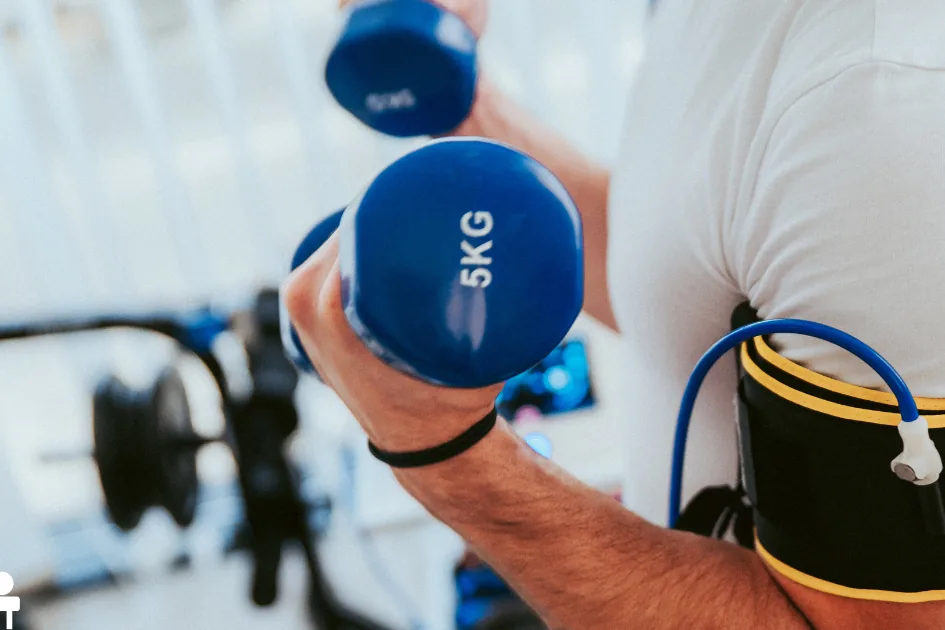
When You Can Train Through Pain, and When You Cannot
Pain is information about sensitivity, not a reading of tissue damage. Knowing the difference decides most training questions.
Read the article
What a Warm-Up Actually Does
The evidence for warming up is better than the evidence for stretching, and both are weaker than the evidence for being strong enough in the first place.
Read the article
Injury Prevention for Athletes: What a Pre-Season Screen Checks
Most sports injuries announce themselves months early as a stiff joint, a weak side or a compensation nobody felt. A pre-season screen is how you find them while they are still cheap to fix.
Read the articleAlso offered
Other treatments
Dry Needling
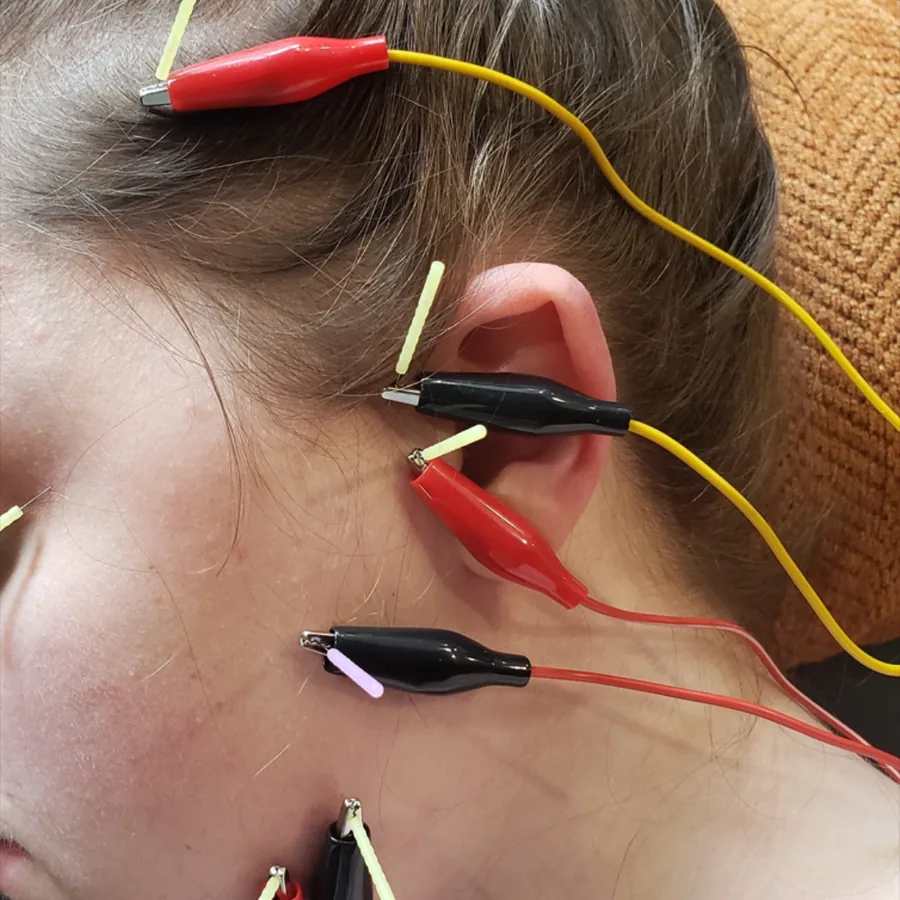
Fine microfilament needles into the trigger point that is actually driving your pain — releasing knots ordinary hands-on work cannot reach.
Explore
Spinal & Extremity Manipulation
A gentle, targeted thrust that restores movement to a specific joint — comfortable, controlled, and delivered inside your available range.
Explore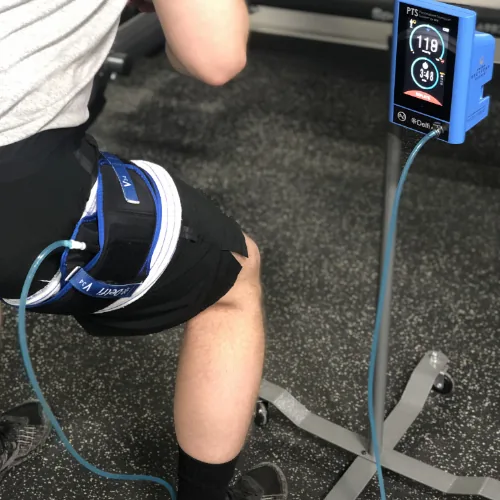
Blood Flow Restriction Therapy
Build strength and muscle size at light loads — one of the few practices in the Dallas area offering certified BFR inside a rehab plan.
ExploreReady to start?
Book a free discovery visit and find out whether physical therapy for active adults is the right tool for your problem. No referral needed to start, no obligation.