
Condition · Physical therapy treatment in Dallas, TXTMJ & Jaw Pain
Find out whether your jaw pain comes from the muscles, the joint or your neck, then get a plan that settles it, with your dentist in the loop where the teeth are part of the picture.
- The jaw and the upper neck examined in the same visit
- Hands-on work, including inside the mouth with a gloved hand, and dry needling
- 60 minutes one-on-one with Dr. Brent Lockett, PT, DPT
The short version
TMJ & Jaw Pain in 30 seconds
Most TMJ pain is a muscle and movement problem: the clenching muscles of the jaw are overworked, the opening path has gone off line, and the upper neck is part of it. That is work a physical therapist can examine and treat.
What it usually is
Overworked clenching muscles (the temporalis over the temple and the masseter at the angle of the jaw), a jaw that opens off line, and often a small disc inside the joint that clicks.
Why the neck is examined too
The nerve that supplies the jaw shares a relay in the brainstem with the upper three neck nerves. An irritated upper neck can produce jaw and face pain, and the jaw can amplify a neck headache.
What gets ruled out first
Tooth problems, ear problems and the rarer causes of facial pain that belong with a dentist or a physician. That screen comes before any treatment.
What treatment gets you
Why people come in for this
Progress you can measure
Opening is measured with a ruler between the front teeth and the path of the jaw is watched in a mirror, so change is a number in millimeters, not a guess.
The clenching muscles released
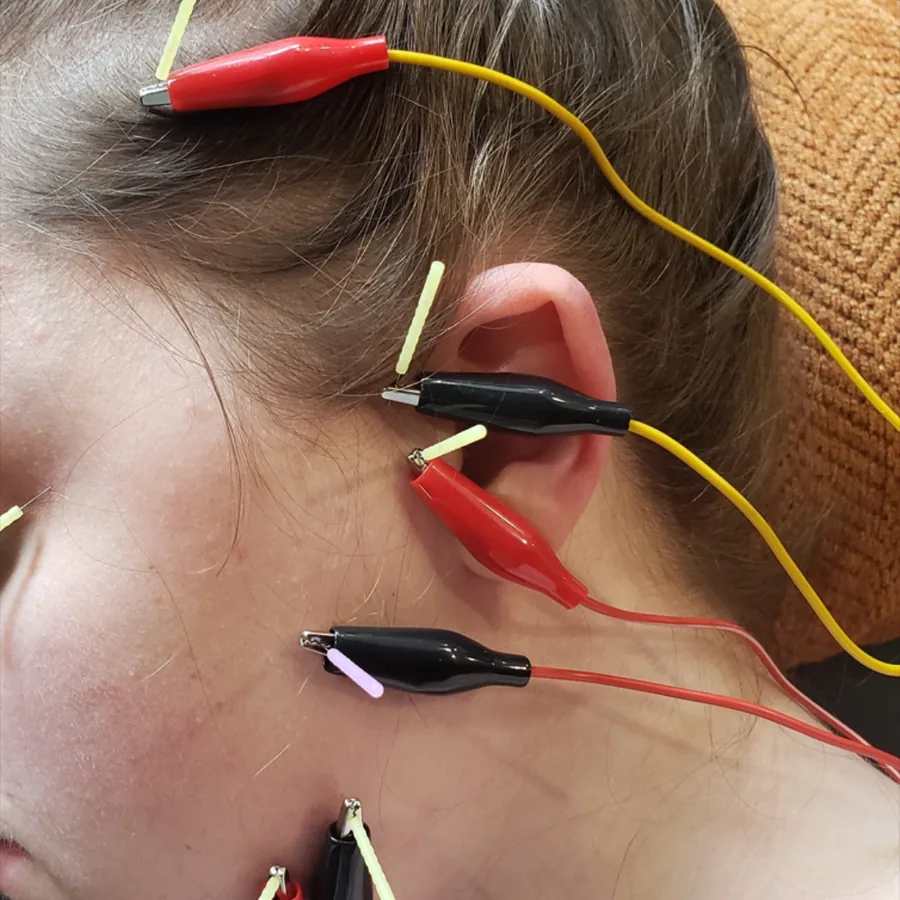
Dry needling into the masseter and temporalis where they reproduce your familiar pain or headache, often the fastest single change.
Muscles nobody else reaches
The pterygoid muscles sit inside the mouth and are often the most tender part of the problem. They are treated by hand, with a glove, inside the mouth.
The upper neck treated as well
Mobilization or mid-range manipulation of the upper neck where it is stiff, because the jaw and the neck feed each other.
A home routine that fits a day
Teeth apart, tongue on the palate, controlled opening and light resisted work. Short, specific and done many times a day rather than one long session.
Honest about the dentist’s part
A night guard protects teeth from grinding and is worth having if you grind. Where a tooth or bite problem is possible, you will be pointed to your dentist.
Does this sound like you?
Signs we hear most often
None of this is a diagnosis. It is a good reason to have the area properly examined rather than managed for another year.
Common signs
- Aching in front of the ear or at the angle of the jaw
- Temple headaches, or pain behind the eye, that come with a tight jaw
- Clicking with pain, or a jaw that swings to one side as it opens
- Opening that feels limited, less than about three fingers stacked
- Waking with a tight jaw or a dull ache in the temples
- Toothache or ear pain where the dentist found nothing wrong
See a physician instead if
See a dentist first for pain on biting one particular tooth, sensitivity to hot or cold, or swelling. See a physician for persistent ear pain, hearing change or discharge, and for sharp electric bursts of facial pain triggered by light touch. New jaw pain on chewing after age fifty with headache and scalp tenderness is urgent. Jaw or facial discomfort brought on by exertion, especially with chest symptoms or breathlessness, needs emergency services immediately. A jaw that locks open or closed needs to be seen promptly.
How we treat it
The tools we reach for
Dry Needling
Fine microfilament needles into the trigger point that is actually driving your pain — releasing knots ordinary hands-on work cannot reach.
Explore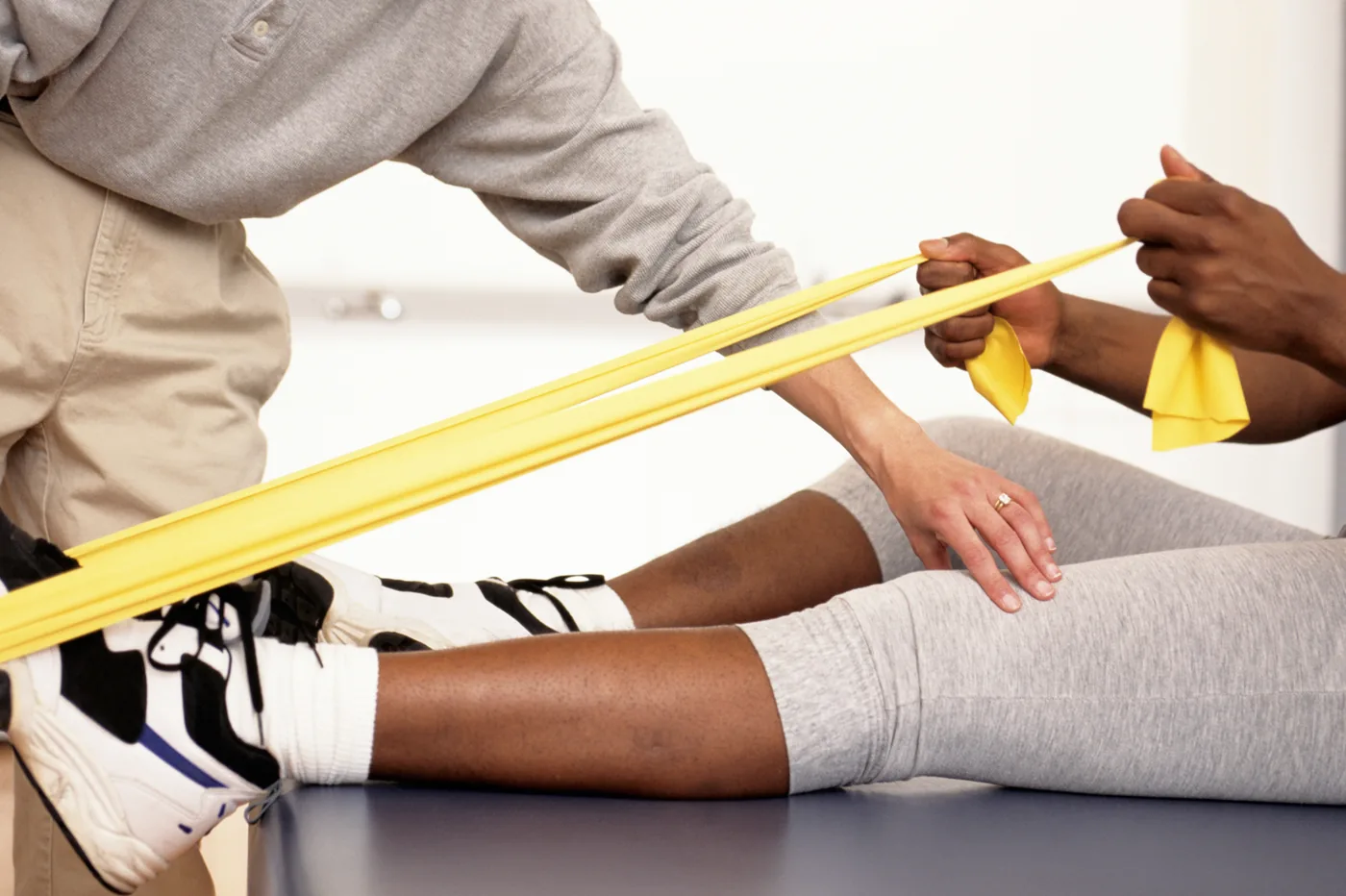
Manual Physical Therapy
Skilled hands-on treatment of joints and soft tissue — manipulation, mobilization and instrument work — followed by the loading that makes the change hold.
ExploreSpinal & Extremity Manipulation
A gentle, targeted thrust that restores movement to a specific joint — comfortable, controlled, and delivered inside your available range.
ExploreWhat to expect
First visit
History, opening measured with a ruler, the opening path and side-to-side movement checked, the jaw muscles examined for the ones that reproduce your pain, an upper neck screen, and treatment in the same hour.
First weeks
Hands-on work and needling to settle the clenching muscles, the upper neck treated where it is stiff, and the teeth-apart habit built with a reminder system.
Later
Controlled opening toward a straight path, light resisted work and deep neck flexor strength, with opening re-measured so you can see the change.
Your first four steps
How it works
No referral needed to start, no waiting list to join, and nothing charged before you know this is the right fit.
Free discovery visit
We talk first. What is going on, what you have already tried, and whether this is genuinely the right approach for your problem. No charge, no obligation.
Full examination
A thorough neuro-musculoskeletal examination to find the root cause — including ruling out anything that should be seen by a physician instead.
Findings & plan
We go through what was found and what it means, then build an advanced treatment plan around the goals you actually came in with.
Treat, load, teach
Hands-on treatment, loaded movement, and the self-mobilization and exercise you need so the change holds between visits.
In depth
What is actually going on
Written for people who want the reasoning, not just the summary.
What TMJ actually means
TMJ is the name of the joint, the temporomandibular joint, just in front of each ear. People use it as the name of the problem too. The joint hinges and slides, a small disc sits between its surfaces to manage that, and both sides always work together, so a problem on one side changes the mechanics on the other.
It is one of the busiest joints in the body: it moves every time you talk, eat, swallow or yawn. Most jaw pain is not damage to the joint. It is overworked muscle, a movement pattern that has gone off line, or both, and those are things that respond to treatment and to changing habits.
Where the pain and the headaches come from
Two clenching muscles do most of it. The temporalis, the fan-shaped muscle over the temple, refers pain into the temple, behind the eye and into the upper teeth. The masseter, the thick muscle at the angle of the jaw, refers into the cheek, the ear, the lower teeth and the jaw itself.
Clenching keeps both of them working. Daytime clenching under stress or concentration is common and mostly unconscious; night-time grinding is separate, more forceful, and often noticed by a partner first. Waking with a tight jaw or a dull temple ache is the usual clue. The longer read is the jaw and the headache.
Clicking, opening and locking
A jaw that clicks but opens fully and does not hurt is very common and usually needs nothing. Clicking with pain, limited opening, or a jaw that swings to one side as it opens is worth an assessment.
| What you measure or see | What it usually means | What to do |
|---|---|---|
| About 40 to 50 mm, three fingers stacked | Normal opening | Nothing, if it does not hurt |
| Under about 35 mm | Restricted, usually by the jaw muscles | Assessment of the jaw muscles and upper neck |
| Under about 25 mm | The disc may be blocking the joint | Prompt assessment, often shared with a dentist or oral surgeon |
| Jaw swings to one side as it opens | That side is restricted | Controlled opening toward a straight path |
How to read this table: measure between your top and bottom front teeth, or stack your own fingers, and find your row. A jaw that locks open or closed belongs with the third row and needs to be seen promptly, not stretched.
What treatment looks like here
The examination decides the order, but most plans combine four things. Manual therapy to the jaw muscles, including the pterygoids inside the mouth with a gloved hand. Dry needling into the masseter and temporalis where they reproduce your pain, uncomfortable for a few seconds and often the quickest change; see dry needling for headaches and TMJ. Upper neck mobilization or mid-range manipulation where the neck is stiff. Then motor control: opening without deviation, tongue position, and deep neck flexor work.
Between visits, the most useful habit is the simplest: teeth apart, lips together, tongue resting on the roof of the mouth. During a flare, a softer diet, no gum, supporting the chin when you yawn, and heat over the jaw muscles in the evening all help. Aggressive jaw stretching does not; forcing a restricted jaw open makes it more irritable.
The dentist, the neck and the rest of the team
A night guard protects the teeth from grinding but does not stop the grinding. It is worth having if you grind, alongside the work on the muscles and the neck. Bite problems exist and occasionally drive the pain; where that or a tooth problem is possible, your dentist comes first.
Because the upper neck is involved in so many jaw cases, the neck pain and headaches and migraines pages describe the same examination from the other side.
Who treats TMJ with physical therapy in Dallas
Look for a clinician who measures your opening, examines the jaw muscles inside and outside the mouth, screens the upper neck, and tells you plainly when the answer is a dentist or a physician.
At Osteopractic Physical Therapy, Dr. Brent Lockett, PT, DPT, Cert. DN, Cert. SMT sees jaw and headache patients one-on-one for the full 60 minutes at 10670 North Central Expressway, Suite 110, in North Dallas. Live video sessions are available for checking your home routine between visits. No referral is needed to start: Texas allows up to 30 days of treatment without a referral.
Real Google reviews · Osteopractic Physical Therapy Dallas
Clients with the same problem
“I’ve been dealing with hip pain for years and honestly thought it was just something I’d have to live with. After working with this PT, I’m finally running completely pain-free for the first time in years. Not only did they get rid of my…”
“I'm so grateful I was referred to Dr. Lockett, as his guidance and expertise really turned my situation around for the better. After seven knee surgeries I was quite weak and my functional capacity had never been lower; within weeks of…”
“I'm so glad I found Brent!!! I was having some serious back pain and after just a few sessions it was already feeling better. He's super knowledgable and I'm very thankful for him!”
Physical therapy FAQ · Dallas, TX
TMJ & Jaw Pain: 11 questions answered
Who treats TMJ pain with physical therapy in Dallas?
Dr. Brent Lockett, PT, DPT at Osteopractic Physical Therapy in North Dallas examines the jaw and the upper neck together and treats TMJ pain with hands-on work, dry needling and exercise, one-on-one for the full 60-minute visit.
Can physical therapy help TMJ?
When the pain comes from the jaw muscles, the opening pattern or the upper neck, yes. Those are the common drivers. Tooth, ear and bite problems are a dentist's or physician's job, and the examination tells you which applies.
Can TMJ cause headaches?
Yes. The temporalis and masseter refer pain into the temple, behind the eye, the cheek and the teeth. That is the classic jaw-driven headache.
Should I worry if my jaw clicks?
Not if it opens fully and does not hurt; painless clicking is very common. Clicking with pain, limited opening, a jaw that swings to one side or a jaw that locks needs assessment.
How wide should my jaw open?
About forty to fifty millimeters between the front teeth, roughly three of your own fingers stacked. Under about thirty-five is restricted, and under twenty-five suggests the disc is blocking the joint.
Does dry needling help TMJ?
When the masseter or temporalis reproduces your familiar pain, needling them is often the fastest single change. It is uncomfortable for a few seconds.
Does a night guard fix TMJ?
A night guard protects the teeth from grinding but does not stop the grinding. It is worth having if you grind, alongside work on the jaw muscles and the neck.
Why does my neck get treated for jaw pain?
The nerve supplying the jaw shares a relay in the brainstem with the upper neck nerves, so an irritated upper neck can produce jaw and face pain. Treating the neck often changes the jaw.
What is the right resting position for the jaw?
Teeth apart, lips together, tongue resting on the roof of the mouth. Most people with jaw pain rest with their teeth touching, so the clenching muscles never switch off.
Do I need a referral for TMJ physical therapy in Texas?
Not to start. Texas allows up to 30 days of treatment without a referral. If the examination finds something that needs a dentist or physician, you will be referred.
When should I see a dentist instead?
For pain on biting one particular tooth, sensitivity to hot or cold, or swelling. Muscle pain can mimic a toothache convincingly, but so can an infected tooth.

Dr. Brent Lockett
Dr. Lockett treats busy executives, professionals and athletes in chronic pain at the North Dallas clinic and across Dallas and the surrounding areas. He holds a Diploma in Osteopractic and is certified in dry needling, spinal manipulation and blood flow restriction therapy. Read his full background.
Written by Dr. Brent Lockett
Keep reading
The Jaw and the Headache: What the TMJ Has to Do With It
Temple headaches, a jaw that clicks, and a neck that is always tight tend to arrive together. They are more connected than they look.
Read the article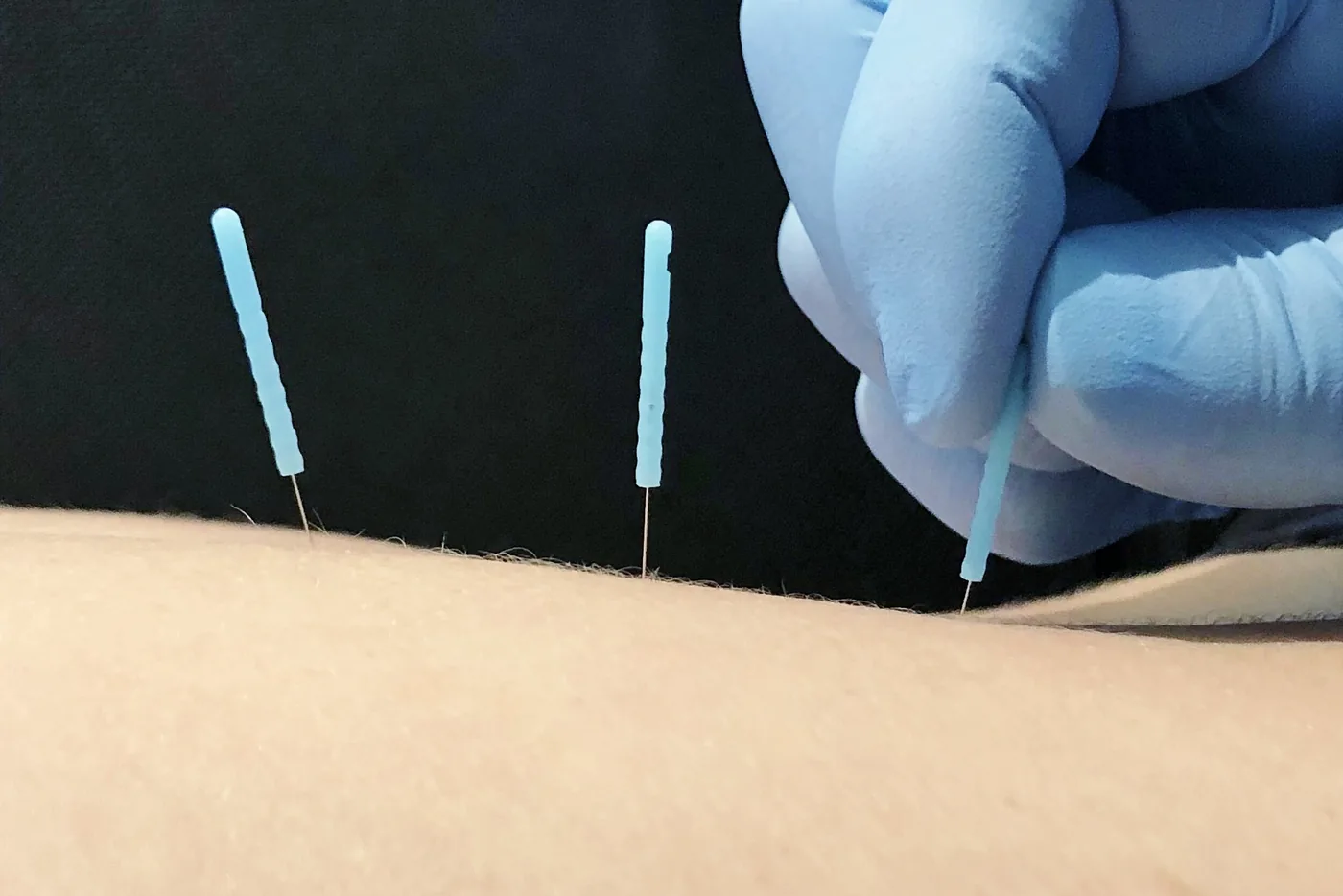
Dry Needling for Headaches and TMJ: What It Treats and How It Feels
Many headaches are driven by muscles in the neck and jaw. Dry needling reaches those muscles directly — here is which headaches respond, what a session is like, and what it does not treat.
Read the articleHeadaches That Start in Your Neck
You feel it behind your eye. The problem is often four inches lower, at the base of your skull.
Read the article
Migraine, Tension or Neck? Telling Headaches Apart
Three common headaches, three different mechanisms, and only some of them belong in a physical therapy clinic. Here is how the sorting works.
Read the articleAlso treated
Other conditions
Low Back Pain
The most common reason people call — and the one most often treated as a symptom rather than a pattern.
Read moreHeadaches & Migraines
Migraine disorder affects the central nervous system. Osteopractic therapy targets the muscles and joints caught up in it.
Read more
Runner's Knee
Rapidly becoming a more common issue every year — and, in most cases, preventable.
Read moreGet an honest answer about your tmj & jaw pain
The free discovery visit exists so you can find out whether this approach fits your problem before you spend anything.