
Treatment · Physical therapy in Dallas, TXPost-Surgical Rehabilitation
Get your strength, range and confidence back after surgery, with a full hour one-on-one every visit — at the clinic or in your own home while driving is still off the table.
- Works within your surgeon’s protocol, step by step
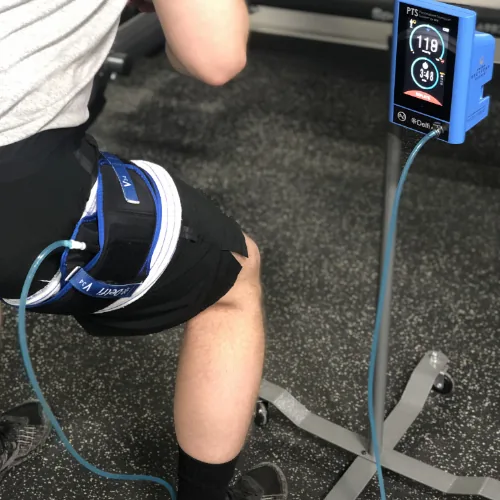
- Blood flow restriction to build strength without heavy loads
- Home visits across Dallas in the weeks you cannot drive
The short version
Post-Surgical Rehabilitation in 30 seconds
What it is
Physical therapy after orthopedic surgery: protecting the repair, controlling swelling, restoring range and rebuilding strength, in the order your surgeon’s protocol allows.
Why early matters
Range lost in the first weeks is harder to win back later, and muscle loss after surgery is fast. The first visit should come soon after you are home.
Where it ends
Not when the stitches are out. When strength, range and the things your life and sport ask of the joint have been tested and are back.
Why people choose it
What you get out of post-surgical rehabilitation
One-on-one rehab after orthopedic surgery, inside your surgeon’s protocol — with blood flow restriction to keep strength while the repair heals.
The whole hour with one clinician
No being handed to an aide between exercises. Every visit is 60 minutes with Dr. Lockett, which is what lets the plan move as fast as the tissue allows — and no faster.
Strength without heavy weight
Blood flow restriction therapy lets muscle work hard with light loads, so you lose less strength in the weeks when the joint cannot be loaded.
Rehab at home when you cannot drive
In the early weeks after many operations, getting to a clinic is the hardest part. Mobile visits bring the session to your home.
Your surgeon’s protocol, respected
Restrictions on range, weight-bearing and loading are followed. Progress is reported back if your surgeon wants it.
Tested, not assumed
Range, strength compared with your other side and control are measured as you go, so each step forward is earned by a number, not a date.
A finish line
The plan runs until the joint does what you need it to do — stairs, lifting, running, your sport — and then you are discharged with a program.
Worth knowing
Blood flow restriction, used after surgery
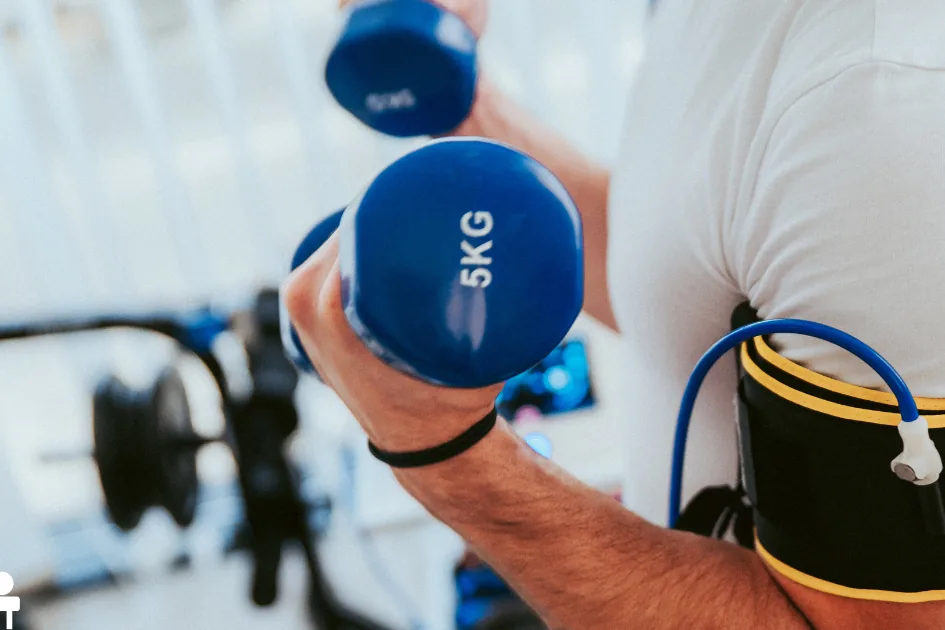
Dr. Lockett is certified in Blood Flow Restriction Therapy. A cuff on the upper arm or thigh partially limits blood flow while you exercise with light weights, so the muscle works as if the load were heavy. After surgery, when the joint cannot take heavy weight, that is often the difference between holding on to strength and losing it. It is used when your surgeon’s protocol and your screening allow.
What it commonly helps with
- Knee replacement
- Hip replacement
- ACL reconstruction
- Meniscus surgery
- Rotator cuff repair
- Shoulder surgery
- Ankle and foot surgery
- Back surgery
- Fracture repair
- Post-surgical stiffness
- Scar and post-surgical tissue restriction
- Return to sport after surgery
Inside a session
What actually happens
Before surgery, if you can
A visit before the operation sets your baseline, teaches the first exercises while nothing hurts, and plans the home setup and the first appointment.
The first visits
Swelling and pain control, the range your protocol allows, getting the muscle that has switched off working again, and walking or arm use made safe.
Rebuilding
Progressive strength, with blood flow restriction where heavy load is not yet allowed, hands-on work for stiffness and scar tissue, and balance and control.
Back to your life
Testing against your other side and against what your week asks: stairs, lifting, work, running or sport, and a program to keep it after discharge.
What to expect afterwards
First visit
Your surgery, protocol and goals reviewed, range and strength measured, swelling and pain addressed, and the first home exercises taught.
Early weeks
Range and muscle activation first, within the protocol. Progress is measured every visit, and the plan moves when the numbers do.
Later
Strength, control and the specific demands of your work or sport, tested before each step up and before discharge.
Be honest with yourself
Is post-surgical rehabilitation right for you?
Being told “not this, and here is why” is part of the service. If it is not the right tool for your problem, you will hear that at the free discovery visit.
A good fit if
- You have orthopedic surgery scheduled, or have just had it
- You want one clinician for the whole hour, every visit
- You cannot drive yet and need rehab at home
- Your recovery has stalled and the joint is still stiff or weak
- You want to get back to a sport, not just to walking
- You were discharged early and still do not trust the joint
Tell us first if
- Your wound is red, hot, draining or you have a fever — call your surgeon first
- You have calf pain and swelling, or sudden shortness of breath — seek urgent medical care
- Your surgeon has said no therapy yet — we start when they clear it
- You have a pacemaker or other implanted device (some tools are not used)
- You have a history of blood clots (blood flow restriction may not be used)
- You need in-network billing only — this is an out-of-network practice
In depth
Everything else worth knowing
Written for people who want the reasoning, not just the summary.
What post-surgical rehabilitation is for
Surgery repairs a structure. It does not restore strength, range or confidence, and those three decide whether you are pleased with the result a year later. Post-surgical rehabilitation is the part of the recovery that rebuilds them, step by step, within the limits that protect the repair.
The work changes as you heal: protecting and calming the joint first, then range, then strength and control, then whatever your life asks of the joint. The order comes from your surgeon’s protocol; the pace comes from how your body responds, measured at every visit.
There is a longer explanation of the early phase in what the first six weeks after surgery decide.
Why the first weeks matter so much
Muscle loss after surgery is rapid. Part of it is disuse; a larger part is reflex inhibition, where swelling and joint pain switch the muscle off however hard you try. That is why a quadriceps will not tighten after knee surgery, and it is not a matter of willpower.
Range follows the same rule. Range lost early is harder to regain later, as scar tissue matures and the joint capsule tightens. Full knee extension is the clearest example: easier to keep than to recover.
So the first appointment should come soon after you are home, and the first weeks are spent on swelling, range and switching the muscle back on — the unglamorous work that sets the ceiling for everything after.
Blood flow restriction after surgery
The bind after surgery is that the muscle needs heavy load to get strong, and the repair cannot take heavy load yet. Blood flow restriction is one of the few tools that addresses that directly.
A cuff on the upper thigh or arm partially limits blood flow while you exercise with light weight, and the muscle responds as if the load were much heavier. It is used when your protocol and your screening allow it; a history of blood clots, for example, can rule it out. See blood flow restriction therapy and how early BFR can start after surgery.
Hands-on work for stiffness and scar tissue
Some joints get stuck after surgery despite good exercise. Joint mobilization, soft tissue and instrument-assisted work around the scar, and dry needling of muscles that have been guarding since the operation are used where the examination says the restriction is, and only once your surgeon has cleared the area to be treated.
Where an area is still too swollen or sore to be touched, PEMF can be used as part of the session: it is FDA cleared for post-operative pain and swelling in superficial soft tissue. It is an adjunct, never the treatment on its own.
Rehab at home in the weeks you cannot drive
After a knee or hip replacement or a lower-limb operation, getting in and out of a car is often the hardest part of the early weeks, and after a right-side operation you may not be allowed to drive at all. Mobile visits bring the full 60-minute session to your home in Dallas and the surrounding areas.
Home visits have a second benefit: the stairs, the bed, the shower and the chair you actually have to manage are assessed and practiced where they are. When you are ready, sessions can move to the clinic on North Central Expressway. See mobile physical therapy.
Before surgery: prehabilitation
If your operation is scheduled, the best time to start is before it. A visit or two beforehand records your baseline, builds strength while the joint still allows it, and teaches the first exercises while nothing is sore. It also means the plan and the first appointment are already set when you come home.
If you are still deciding whether to have the operation, physical therapy before orthopedic surgery covers when a trial of therapy makes sense first.
Who you see, and how it is paid
Every visit is 60 minutes, one-on-one with Dr. Brent Lockett, PT, DPT, who also holds a Diploma in Osteopractic from post-doctorate residency training and certifications in dry needling, spinal manipulation and blood flow restriction therapy. Nobody else runs part of your session.
The practice is out-of-network: you receive a superbill at the end of every session to file with your insurance for potential reimbursement. A six-visit plan is $840 and a twelve-visit package is $1,560; both are discounted against single sessions. See sessions and packages.
Real Google reviews · Osteopractic Physical Therapy Dallas
Clients treated with this
“I'm so grateful I was referred to Dr. Lockett, as his guidance and expertise really turned my situation around for the better. After seven knee surgeries I was quite weak and my functional capacity had never been lower; within weeks of…”
“I had been suffering pain in both knees for over a year. As a woman who was used to intense, frequent exercise, it was hard to give up things I enjoyed. Thanks…”
“I’ve been dealing with hip pain for years and honestly thought it was just something I’d have to live with. After working with this PT, I’m finally running completely pain-free for the first time in years. Not only did they get rid of my…”
Physical therapy FAQ · Dallas, TX
Post-Surgical Rehabilitation: 12 questions answered
Who is a good post-surgical rehabilitation physical therapist in Dallas?
Look for one-on-one time, experience with your operation, a clinician who follows your surgeon’s protocol and measures progress. At Osteopractic Physical Therapy, Dr. Brent Lockett, PT, DPT gives a full 60 minutes one-on-one every visit, at the clinic on North Central Expressway or at your home.
How soon after surgery should physical therapy start?
Usually soon after you are home, as your surgeon allows. Range and strength are lost fastest in the first weeks, and early work within the protocol protects both. Your surgeon decides the start date; we plan around it.
Do you follow my surgeon’s protocol?
Yes. Range limits, weight-bearing and loading restrictions are followed, and progress can be reported back to your surgeon.
Can post-surgical physical therapy be done at home?
Yes. Mobile visits bring the full 60-minute session to your home across Dallas and the surrounding areas, which helps in the weeks you cannot drive.
What is blood flow restriction therapy after surgery?
A cuff partially limits blood flow while you exercise with light weight, so the muscle works as if the load were heavy. It helps hold on to strength while the joint cannot be loaded heavily, when your protocol and screening allow it.
How long does post-surgical rehab take?
That depends on the operation, your protocol and how you respond. The typical plan is one to two visits a week until strength, range and your own goals are tested and back. You get an honest estimate after the first visit.
Can I start rehab before my surgery?
Yes, and it is worth it. A visit beforehand records your baseline, builds strength while you can, and teaches the first exercises before anything is sore.
My recovery has stalled. Can you help?
Often. Stalled recoveries are usually stiffness, a muscle that never fully switched back on, or loading that stopped progressing. The examination finds which, and the plan targets it.
Do I need a referral for post-surgical physical therapy in Texas?
Texas allows direct access to physical therapy, so you can book without a referral. After surgery, your surgeon’s protocol and clearance still guide the plan.
Does insurance pay for post-surgical rehab here?
The practice is out-of-network. You receive a superbill at the end of every session to file with your insurance for potential reimbursement.
What should I watch for after surgery?
A red, hot or draining wound, fever, or calf pain and swelling need your surgeon or urgent care, not therapy. Sudden shortness of breath is an emergency.
What operations do you rehab?
Orthopedic surgery of the knee, hip, shoulder, spine, ankle and foot, including joint replacements, ligament reconstructions, rotator cuff repairs and fracture repairs. Ask at the free discovery visit about your specific operation.

Dr. Brent Lockett
Dr. Lockett treats busy executives, professionals and athletes in chronic pain at the North Dallas clinic and across Dallas and the surrounding areas. He holds a Diploma in Osteopractic and is certified in dry needling, spinal manipulation and blood flow restriction therapy. Read his full background.
Written by Dr. Brent Lockett
Keep reading
Post-Surgical Rehab: What the First Six Weeks Decide
Most of what determines the twelve-month result is decided in the first six weeks, when almost nothing feels like it is happening.
Read the articleBlood Flow Restriction After Surgery: How Early Is Too Early
The muscle loss after surgery happens faster than most people are told. Blood flow restriction is one of the few tools that can work against it early.
Read the article
Knee Replacement, or Strength First?
A replacement is an excellent operation for the right knee at the right time. The question worth asking is whether yours is either yet.
Read the articleAlso offered
Other treatments
Dry Needling
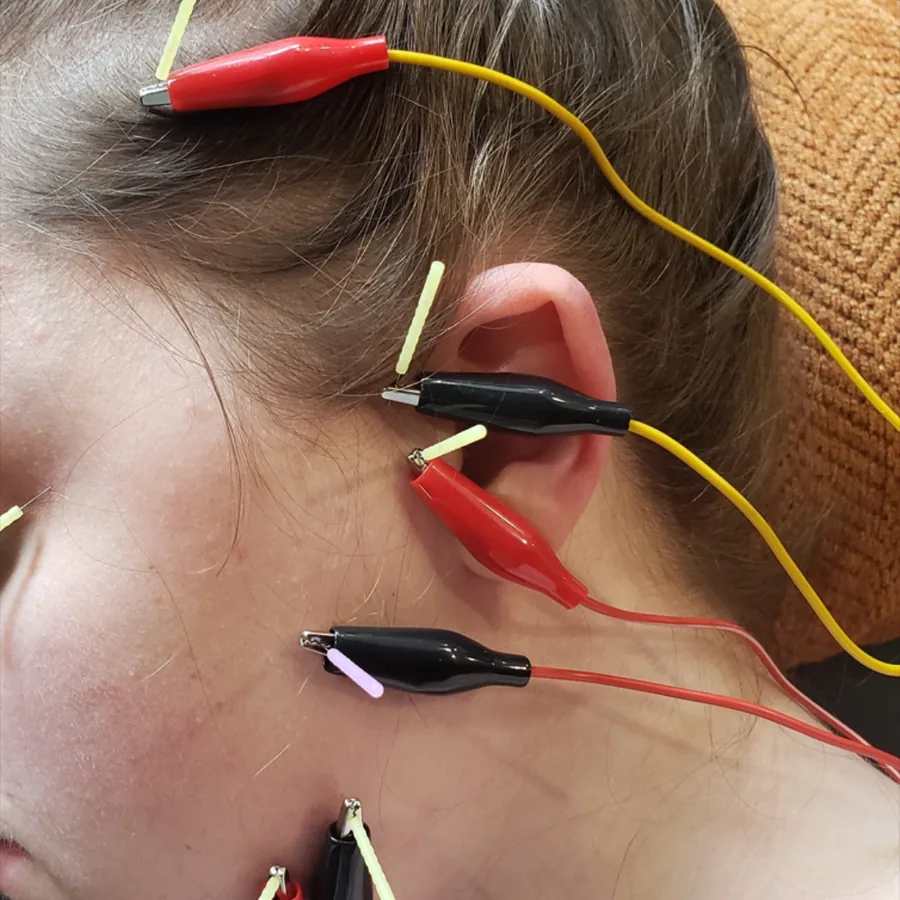
Fine microfilament needles into the trigger point that is actually driving your pain — releasing knots ordinary hands-on work cannot reach.
Explore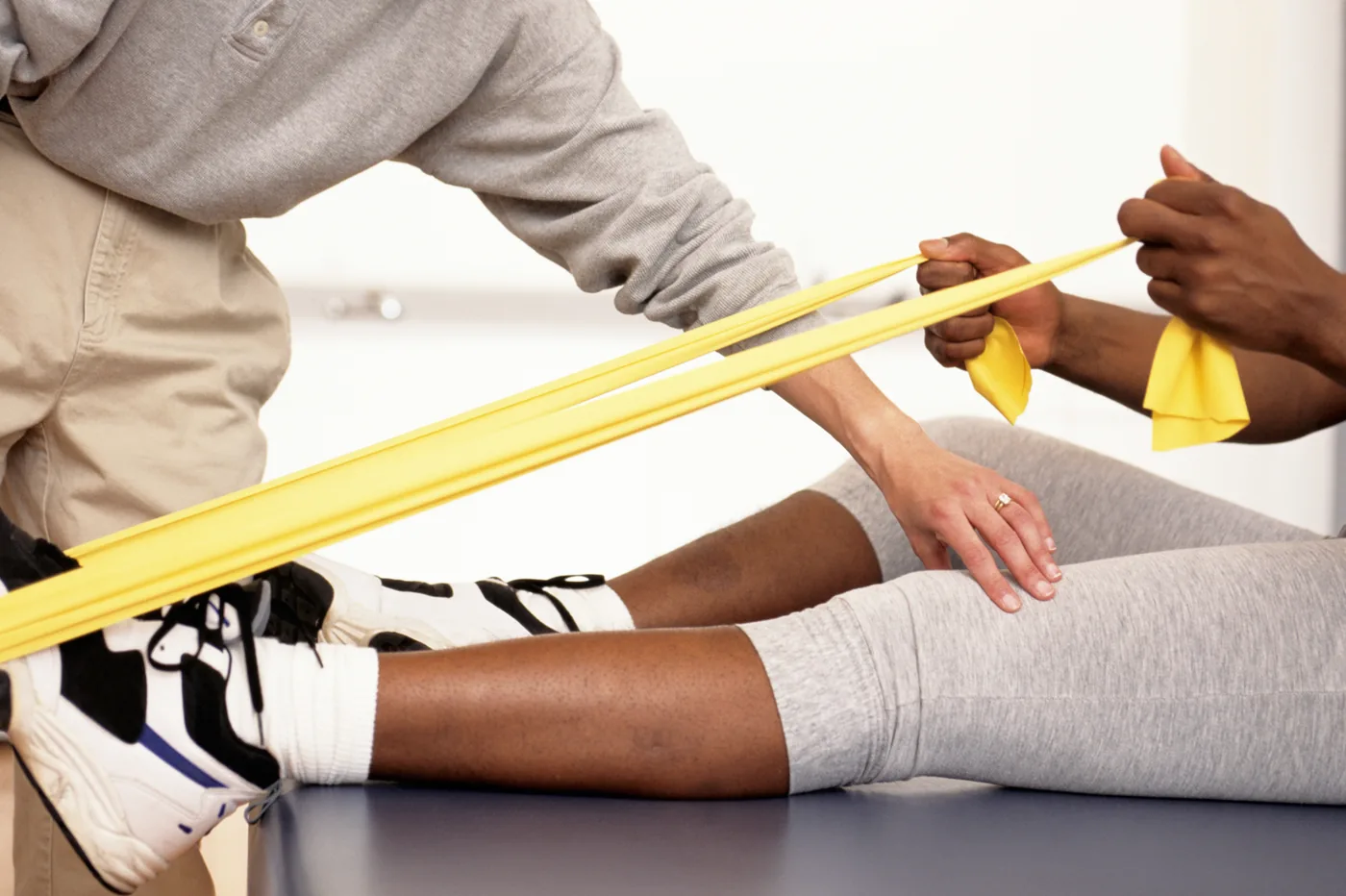
Spinal & Extremity Manipulation
A gentle, targeted thrust that restores movement to a specific joint — comfortable, controlled, and delivered inside your available range.
ExploreBlood Flow Restriction Therapy
Build strength and muscle size at light loads — one of the few practices in the Dallas area offering certified BFR inside a rehab plan.
ExploreReady to start?
Book a free discovery visit and find out whether post-surgical rehabilitation is the right tool for your problem. No referral needed, no obligation.