The short answer
The best physical therapy for shoulder pain from tennis or pickleball is one-on-one care that tests the rotator cuff, shoulder blade, mid-back and neck, then loads the shoulder in steps back to serves and overheads instead of prescribing rest. In Dallas, Dr. Brent Lockett, PT, DPT provides that in 60-minute visits at Osteopractic Physical Therapy & Pain Relief, 10670 North Central Expressway, Suite 110.
- Shoulder pain from serving and smashing is usually rotator cuff related and a capacity problem: it responds to progressive loading, not to rest.
- A good examination covers the shoulder, shoulder blade, mid-back and neck, and measures strength against your other arm.
- Keep playing with changes: fewer serves and overheads, a looser grip, banded rotation twice a week, and the next-morning check.
- Rehab is not finished until the shoulder has been loaded overhead at speed; overheads and full-pace serves come back last, in practice before points.
- In Dallas: 60-minute one-on-one visits with Dr. Lockett on North Central Expressway; packages are 6 visits for $840 and 12 for $1,560, out of network with a superbill.
It usually starts small. An ache on the outside of the upper arm after a long doubles session, a pinch at the top of the service motion, a smash you let bounce instead. Then you notice you are lying on the other side at night.
Below: why serves, overheads and hours at the kitchen line load a shoulder, a table that matches what you feel to what is usually going on, what the examination and treatment look like at our clinic, what to change this week while you keep playing, how serving comes back in stages, the questions to ask any physical therapist in Dallas, what it costs and when to see a physician instead.
What kind of physical therapy fits a racket or paddle shoulder
Three things separate physical therapy that works for a tennis or pickleball shoulder from the kind that only calms it down. None of them is a machine or a brand name.
- It examines more than the sore spot. The shoulder blade has to glide over a mobile upper back, and a neck problem can pass convincingly for shoulder pain. All four areas get tested: shoulder, shoulder blade, mid-back and neck.
- It loads the shoulder instead of resting it. Shoulder pain from serving and smashing is usually rotator cuff related, and usually a capacity problem rather than a structural one. It responds to progressive loading, and it does not respond to rest.
- It ends where your game is. Rehab that stops at pain-free daily activity leaves a player underprepared, and the problem comes back in the second week on court. The last stage has to be loaded overhead work, at speed.
That is how shoulder problems are handled at our North Dallas clinic: a 60-minute visit, one-on-one with Dr. Lockett, with the examination, hands-on treatment and loading in the same hour. The clinical side is on the shoulder pain treatment in Dallas page, and the athlete side on sports physical therapy.
Why serves, overheads and hours at the kitchen line load the shoulder
A tennis serve and an overhead smash take the arm to the end of its range above your head and then swing it through fast. The rotator cuff, the small muscles and tendons that keep the ball of the joint centered, works on the way up and works again to slow the arm down after contact. Do that again and again in a session and the cuff either has the capacity for it or it complains.
Pickleball loads the same shoulder differently. The serve is underhand, so the overhead work comes from smashes and from chasing lobs. The rest is volume: dinks, volleys and resets with the paddle held out in front of you, for hours, often several days a week. Each one is light. The total is not.
The usual trigger is a change, not a single shot. The load went up faster than the tendon adapted: a new sport, a league that doubled your sessions, a week of lessons, a return after years away. Tissue adapts over months, and enthusiasm adapts over days. Or capacity went down: a layoff, an illness, a stretch of poor sleep. Either way there is a gap between what the shoulder is asked to do and what it can do today, and it can be closed from both sides.
Then there is the upper back. A serve needs the mid-back to extend and rotate. When the thoracic spine stiffens, and after a few thousand hours at a desk it does, the shoulder has to make up the difference at end range, which is where tissue gets irritated. If you sit at a desk all week and play on the weekend, this part is about you.
The whole list of what the paddle sport produces, from calf strains to falls, is in pickleball injuries: what actually turns up. This article stays with the shoulder.
What you feel, what is usually going on, and what helps
Players arrive with a label from a search engine or a quick appointment. The label matters less than the pattern. Find the row that sounds like you.
| What you feel | What is usually going on | What helps | Read next |
|---|---|---|---|
| An ache on the outer upper arm on serves and overheads, sore in the middle of lifting the arm | Rotator cuff related pain: a tendon asked to do more than it can currently tolerate. Often called “impingement”, which describes the painful arc and not the cause | Less overhead volume for now, progressive cuff loading, the mid-back and shoulder blade checked | Why impingement is a description, not a diagnosis |
| Pain lying on that side at night | Hours of compression with no movement to relieve it. Common with cuff problems and with a stiffening shoulder | On your back with a pillow under the upper arm, or on the good side hugging a pillow, while the cause is treated | Why your shoulder hurts most at night |
| Stiffer this month than last; limited even when someone else moves your arm | Lost passive range. That points away from a simple cuff problem and toward a frozen shoulder or arthritis | Staged range work matched to the phase. Aggressive stretching in the painful phase makes it worse | Frozen shoulder treatment |
| Full or generous range, but it hurts or feels unreliable under load | A shoulder that needs strength and control, not more stretching | Cuff and shoulder blade strength, control at the end of range | Shoulder mobility or stability |
| Pain around the shoulder blade or down the arm, with tingling or numbness, changed by neck movements | Pain referred from the neck. It responds to nothing done at the shoulder | A neck examination and a nerve screen before anything is treated | Neck pain that travels into the arm |
| A scan that says “tear” | Many shoulders labeled as tears are irritable rather than torn, and many tears sit in pain-free shoulders | Testing what the shoulder can and cannot do under load before deciding anything | A rotator cuff tear on the scan: surgery or not |
| Pain on the outside of the elbow when you grip | The forearm tendon, not the shoulder: the same problem as tennis elbow, often from squeezing the racket or paddle hard for hours | Lighter grip pressure, the right grip size, tendon loading | Tennis and golfer’s elbow |
How to read this table: it is a way to arrive at the first visit with a better question, not a diagnosis. Two rows can be true at once, and the third and fifth rows change the plan completely, which is why passive range and the neck are tested before any exercise is chosen. The last column is the page that covers that row in full.
What the examination covers: shoulder, shoulder blade, mid-back and neck
The first visit is a full shoulder, thoracic and neck examination, a clear read on which problem you have, and treatment the same hour. For a player it covers:
- Strength, against resistance. Rotation outward and inward and lifting to the side, compared with your other arm. A measured deficit sets the starting load, and it gives a number to retest.
- Endurance. How many repetitions the shoulder manages before it gives up. For a sport of repeated serves and volleys this is often the more relevant number.
- Range, active and passive. What you can reach yourself, and what is there when someone else moves the arm. A passive restriction changes the diagnosis.
- The shoulder blade and the mid-back. How the shoulder blade moves, and whether the thoracic spine and ribs extend and rotate enough for an overhead reach.
- The neck. A short screen, because if neck movements reproduce the pain, the shoulder is not the source.
- Your game. What changed in the weeks before it started, how often you play, and the serve or overhead motion itself, not only the joint on the table.

An MRI or a cortisone injection is not automatic. Both have their place, and where imaging or a physician’s input would change the plan, you will be told at that visit.
The treatments that fit, and what each one is for
Loading is the treatment. Everything else gets you to it. Hands-on work and needling reduce symptoms enough that strengthening becomes possible; they are the on-ramp, not the road. Here is what is used for a racket or paddle shoulder at this clinic, as the examination directs:
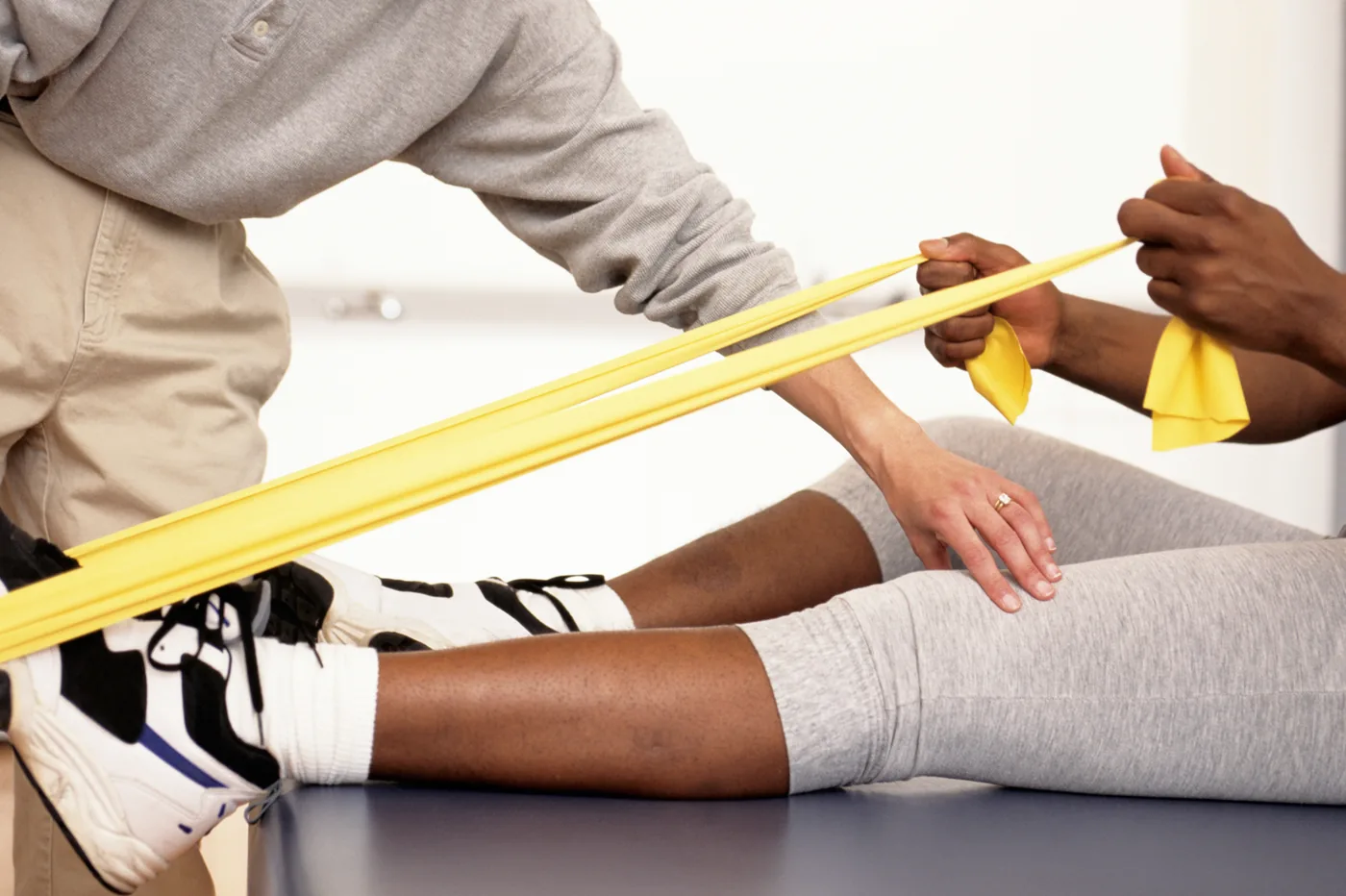
- Progressive rotator cuff and shoulder blade loading. Holds against a doorframe or band while the shoulder is irritable, then banded and weighted rotation that is hard by the last few repetitions, then overhead work. A light band for three easy sets is a warm-up, not a program.
- Spinal manipulation and mobility work for the mid-back and ribs, when a stiff thoracic spine is making the shoulder do extra work at the top of the serve.
- Dry needling for trigger points in the shoulder and shoulder blade muscles that limit range and keep a muscle guarding. The change in range is often immediate, which matters when you play the next day.
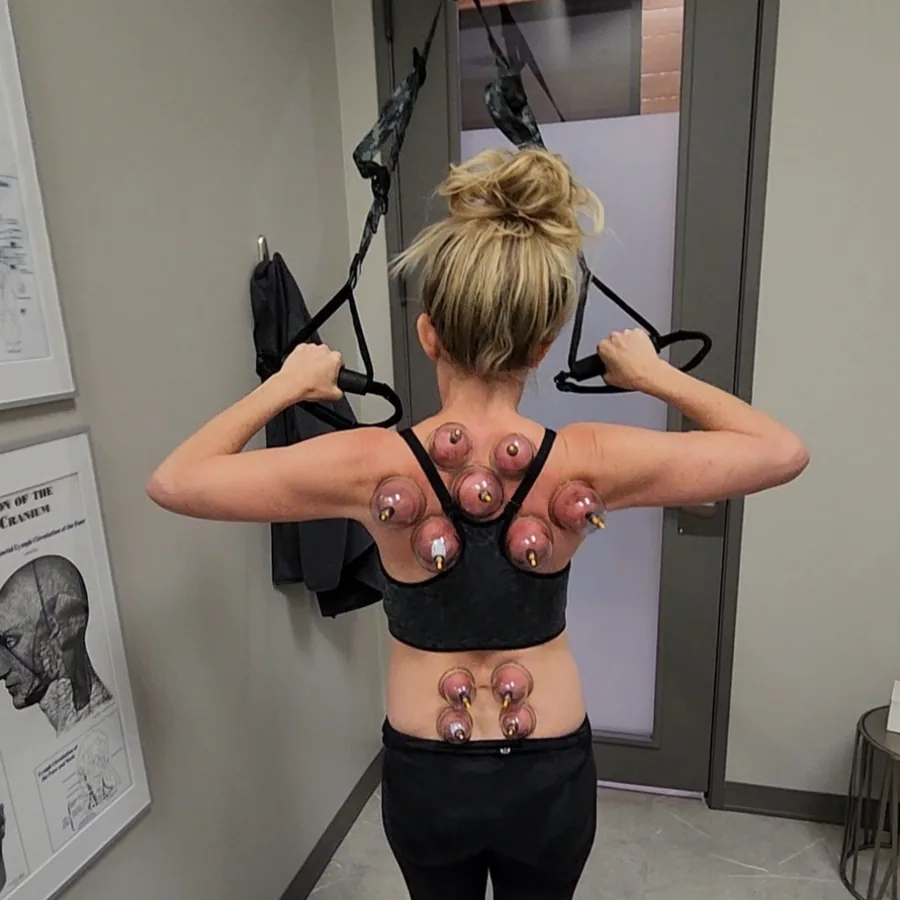
- Cupping and instrument-assisted soft tissue work for the upper back and the back of the shoulder.
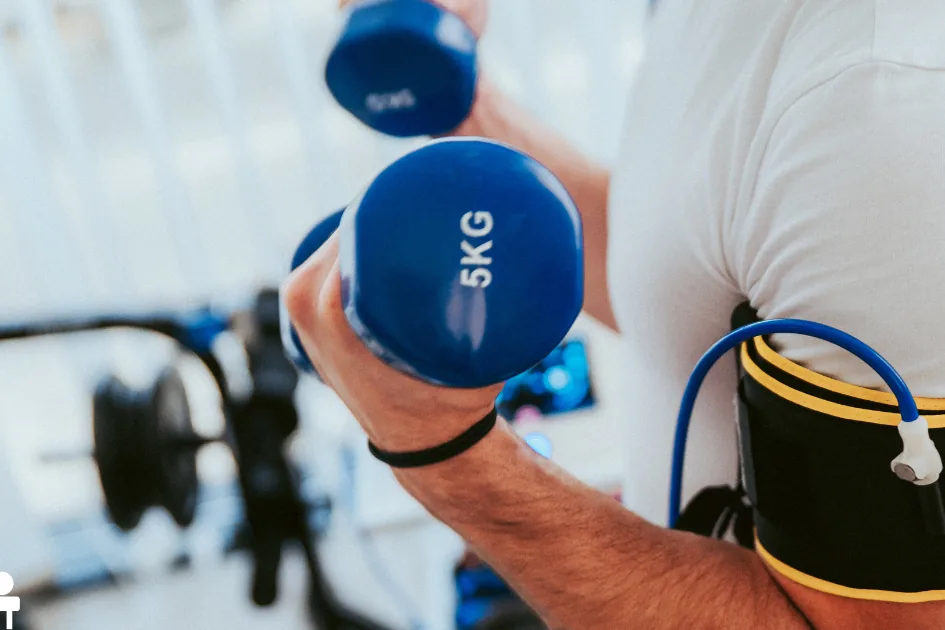
- Blood flow restriction training when the joint is too irritable for the weight it needs. A cuff on the upper arm lets the muscles work hard at light loads, so you are not rebuilding from zero later.
- PEMF as an adjunct for tissue that is slow to settle, alongside loading and never instead of it.
Two things stay constant. Every gain in range is loaded in the same session, because the nervous system keeps ranges you have produced force in. And night pain is a target from the first visit, since sleep is usually what people want back first. You leave each visit with self-mobilization and exercise to do between sessions, which is where most of the progress is made.
Keep playing or rest? What to change this week
Usually keep playing, with modified loading. Complete avoidance costs you capacity you will need later: a shoulder rested for six weeks typically feels better while resting and returns to the same pain on the first day back, minus six weeks of strength.
The better instruction is relative rest. Cut the shots that provoke it sharply, keep everything the shoulder tolerates, and start strengthening now.
| Part of your week | Change this week | Why |
|---|---|---|
| Serves (tennis) | Fewer of them, at an easier pace. Skip the basket of practice serves | The serve is the highest overhead load in your game; volume is the first thing to look at |
| Overheads and smashes | Let the sharp ones go, or play them as a controlled shot. Turn and run for a lob instead of reaching back for it | Reaching overhead and behind is the position a sore cuff likes least, and backpedaling is how falls happen |
| Groundstrokes, dinks and volleys | Keep them if they stay comfortable, and loosen your grip | They keep the arm working in ranges it tolerates. Most players squeeze far harder than the shot needs |
| Sessions | If you jumped to four a week, drop back toward two and add a session when nothing lingers into the next morning | The jump in volume is the most common cause |
| The last game | Stop one game early, especially outdoors in the Dallas heat | Fatigue late in a session is when technique degrades |
| Warm-up | Progressive hitting, with a few easy overheads before the first game | The first overhead of the day should not be at full pace on a big point |
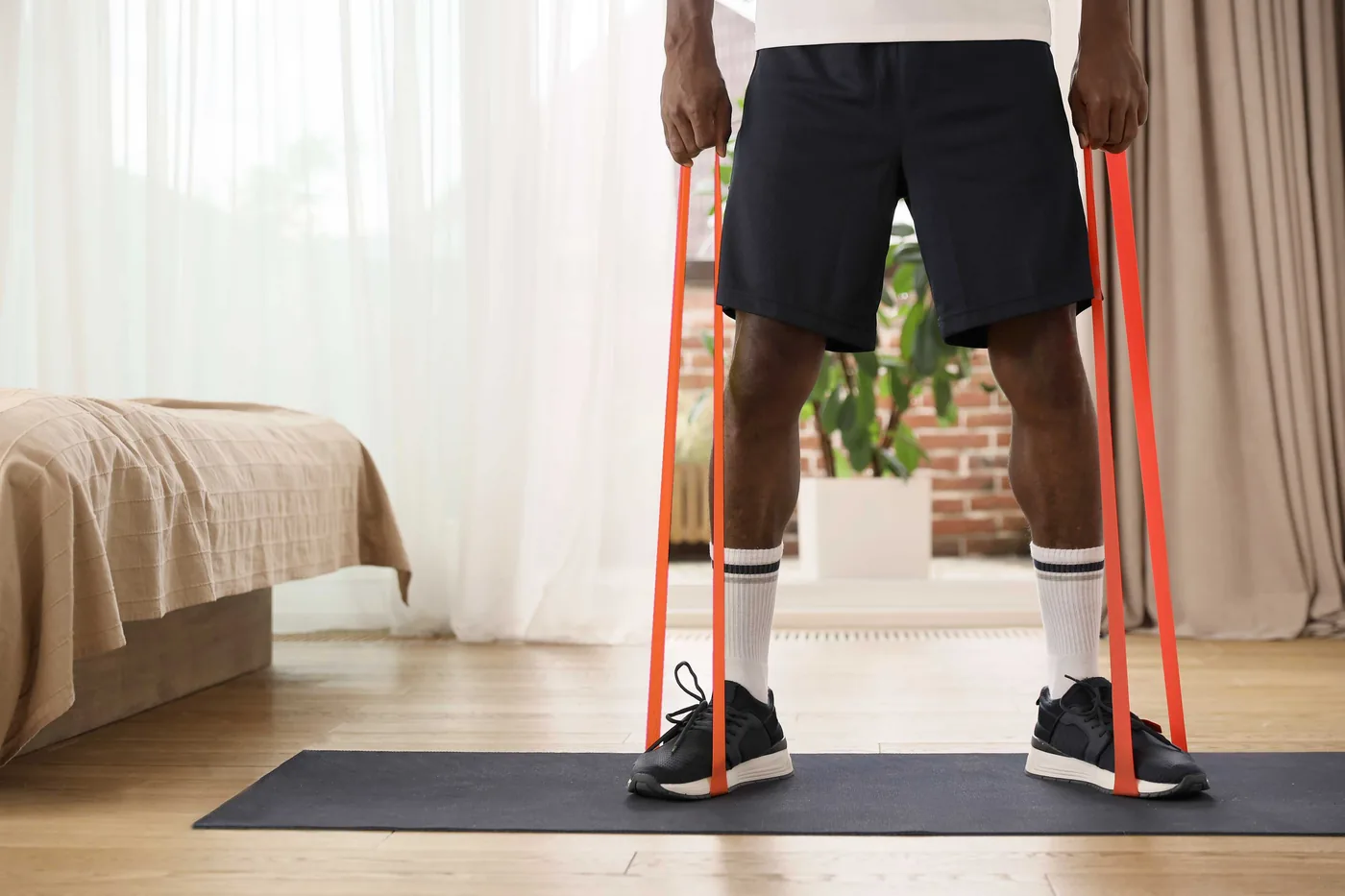
| Off court | Banded external rotation twice a week to start, and holds against a doorframe on sore days | The cuff needs building, and holds are comfortable for most irritable shoulders |
How to read this table: you do not need all seven. Start with the first two rows and the last one, play, and check the shoulder the next morning. It may be sore during play and for a few hours afterward, and it should be back to its usual baseline by the following morning. Still worse a day later means that session was too much, and the answer is to trim it a little, not to stop altogether.
If the pain is sharp on every stroke, wakes you most nights, or the arm is getting stiffer, stop adjusting things yourself and get it examined.
Getting back to serves and overheads, in stages
A return runs on criteria, not dates. We do not apply one week count to everyone, and an honest estimate comes after the first visit, not before it. As a general guide, with progressive cuff loading improvement is usually noticeable within about four weeks and takes about twelve to consolidate, longer if the shoulder was sore for a year before you started. Most of that time you are playing in some form.
- Calm it and keep what you can. The changes in the table above, night pain addressed, holds and light band work. You move on when the shoulder is back to baseline the morning after you play.
- Build the cuff and the shoulder blade. Rotation and rowing work that is hard by the last repetitions, plus the mid-back mobility the examination called for. You move on when strength is rising and the gap with the other arm is closing.
- Load it overhead, then add speed. Pressing and overhead work in the gym first, then faster. Speed, load and complexity go up one at a time. You move on when overhead work at speed leaves nothing behind the next day.
- Bring the shots back in practice. Dinks and controlled rallies first, then movement, then overheads last. Tennis serves come back as a few at an easy pace, then more of them, then full pace. Practice before points, because the competitive instinct in a game overrides caution reliably.
- Play, and keep the strength habit. Full sessions, then your usual week. The banded work stays, in season and out.
The most common reason this fails is stopping at stage two, when things feel better and before anything has been rebuilt. The second is going from the treatment table straight to match play. The general version of this progression, for any sport, is in return to sport physical therapy.
Six questions to ask a physical therapist in Dallas about a racket shoulder
Ask these on the phone before you book anywhere. The middle column is why each one matters for a player.
| Question | Why it matters for a player | How it works here |
|---|---|---|
| 1. Will you examine my neck and mid-back as well as the shoulder? | Neck-referred pain does not respond to shoulder treatment, and a stiff mid-back overloads the shoulder at the top of the serve | Full shoulder, thoracic and neck examination at the first visit |
| 2. Will you measure strength, or describe the pain? | A number means an assessment happened, and it can be retested | Strength compared with your other side, range active and passive |
| 3. Who am I with, and for how long? | Loading has to be progressed by someone who saw last week’s session | 60 minutes, one-on-one with Dr. Lockett, every visit |
| 4. Do I have to stop playing? | Blanket rest costs capacity and court time | Usually no: modified loading, planned around your matches |
| 5. Where does the plan end? | Stopping at pain-free daily life is why it returns in week two | With loaded overhead work at speed and a staged return to serves and overheads |
| 6. What does it cost, and how is it paid? | Know the terms before you start | Out of network with a superbill after every session; packages of 6 visits for $840 and 12 for $1,560 |
How to read this table: the right-hand column is what our own pages state, so you can hold us to it. If a clinic cannot answer questions 1 and 5, keep looking, whichever clinic it is. The questions that apply to any problem are in how to choose a physical therapist in Dallas.
When to see a physician instead
Most racket and paddle shoulders are a loading problem. A few are not, and these should go to a physician, not to us:
- A shoulder that follows a fall with obvious deformity. Falls on court usually happen backpedaling for a lob.
- Sudden inability to lift the arm at all.
- Shoulder pain with chest pain, breathlessness or sweating. That is an emergency, not a sports injury.
The examination itself includes ruling out anything that should be seen by a physician. If something like that turns up, you are told and pointed to the right person.
Who you see, what it costs and where the clinic is
At Osteopractic Physical Therapy & Pain Relief every visit is 60 minutes, one-on-one with Dr. Brent Lockett, PT, DPT, who holds a Diploma in Osteopractic from post-doctorate residency training and certifications in dry needling, spinal manipulation and blood flow restriction therapy. The practice holds a 5.0 rating from 81 Google reviews, and you can read them here.
- Free discovery visit: No charge — a conversation about your shoulder, your playing week and whether this is the right approach
- 6-visit pain/movement plan: $840 — six 60-minute, one-on-one visits
- 12-visit performance package: $1,560 — twelve 60-minute visits
- Single sessions: see sessions & packages
The typical plan for a shoulder is one to two visits a week until it holds; how many physical therapy visits will I need explains what moves that number. The practice is out of network: you receive a superbill after every session to file with your insurance for potential reimbursement, and what out-of-network physical therapy costs walks through the math. Texas allows up to 30 days of treatment without a referral, so you can book directly.
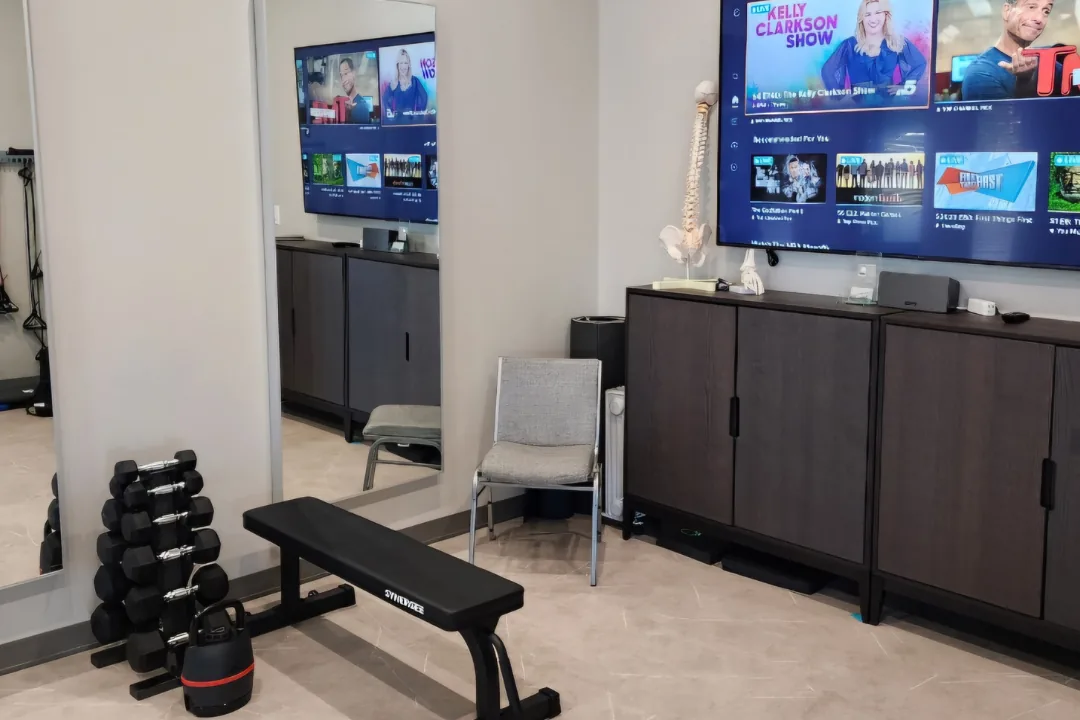
The clinic is at 10670 North Central Expressway, Suite 110, Dallas, TX 75231, on the edge of Preston Hollow and a few minutes from the Park Cities. The practice serves Dallas and the surrounding areas, including Highland Park, University Park, North Dallas, Uptown, Lakewood, Lake Highlands, Addison, Richardson, Plano and Farmers Branch. Sessions can also take place at your gym or home.
Call (214) 600-7762 or book a free discovery visit. Tell us how often you play and what is on your calendar, and the plan is built around it.
Questions people ask
What is the best physical therapy for shoulder pain from tennis or pickleball in Dallas?
One-on-one care that examines the shoulder, shoulder blade, mid-back and neck, then loads the rotator cuff in steps back to serves and overheads. Dr. Brent Lockett, PT, DPT provides it in 60-minute visits at 10670 North Central Expressway, Suite 110, Dallas. Call (214) 600-7762.
Should I stop playing tennis or pickleball while my shoulder hurts?
Usually not. Cut back the shots that provoke it sharply, mostly serves and overheads, keep what stays comfortable and start strengthening. Complete rest costs you capacity you will need when you return.
Why does my shoulder hurt when I serve or hit an overhead?
Those shots take the arm to the end of its range overhead at speed, and the rotator cuff has to control it. Pain there is usually a tendon asked to do more than it can currently tolerate, often after a jump in playing volume.
Is it shoulder impingement or a rotator cuff tear?
Impingement describes where and when it hurts, not why. Many shoulders labeled as tears are irritable rather than torn, and many tears are present in pain-free shoulders. The examination establishes what your shoulder can do under load.
Do I need an MRI before starting physical therapy?
Not automatically. The examination establishes what your shoulder is actually doing, and where imaging or a physician’s input would change the plan, you will be told.
How long until I can serve at full pace again?
It depends on what the examination finds, so an honest estimate comes after the first visit. With progressive cuff loading, improvement is usually noticeable within about four weeks and takes about twelve to consolidate.
Can dry needling help a tennis or pickleball shoulder?
It can release trigger points that limit range and keep a muscle guarding, and the change in range is often immediate. It makes loading possible; it does not replace the strengthening.
What exercises help a pickleball or tennis shoulder?
Holds in outward rotation against a doorframe while it is irritable, then banded outward and inward rotation that is hard by the last repetitions, rows and upper back mobility. Loaded overhead work comes later.
How much does physical therapy for a shoulder cost at your clinic?
A 6 visit plan is $840 and a 12 visit package is $1,560, each visit 60 minutes one-on-one. The practice is out of network and you receive a superbill after every session. The discovery visit is free.
Do I need a referral to see a physical therapist for shoulder pain in Texas?
No. Texas allows up to 30 days of treatment without a referral, so you can book directly.