The short answer
Physical therapy treats several common causes of dizziness and unsteadiness: inner-ear positional vertigo, dizziness linked to the neck, and balance loss from weakness or deconditioning. In Dallas, Dr. Brent Lockett, PT, DPT treats vertigo and balance issues one-on-one at 10670 North Central Expressway, after screening for causes that need a physician.
- Sudden dizziness with speech, face, vision or one-sided weakness changes is an emergency: call 911.
- Physical therapy treats positional vertigo, neck-related dizziness and balance loss from weakness or stiffness.
- The first visit identifies which type you have, then treatment starts in the same session.
- In Dallas, Dr. Brent Lockett, PT, DPT treats vertigo and balance issues one-on-one in North Dallas.
Dizziness is one of the most unsettling symptoms there is, partly because it is so vague. “Dizzy” can mean the room spinning, feeling faint, feeling unsteady on your feet, or a fog behind the eyes. Those are different problems with different causes, and the first job is telling them apart.
First: when dizziness is an emergency
Sudden dizziness with slurred speech, facial drooping, weakness or numbness on one side, double vision, or trouble walking needs emergency care. Call 911.
So does dizziness with a sudden, severe headache unlike anything before, chest pain, or fainting.
Dizziness after a head injury needs a physician's assessment before anything else.
These are screened at every first visit here, and anything that belongs with a physician is referred the same day.
The kinds of dizziness physical therapy treats
Positional vertigo: brief spinning, usually seconds, triggered by rolling over in bed, looking up or bending down. This is the most common inner-ear cause and one of the most treatable.
Neck-related dizziness: unsteadiness or a lightheaded, off-balance feeling that comes with neck pain and stiffness, often worse with certain neck positions.
Balance loss from weakness, stiffness or inactivity: feeling unsteady on stairs, uneven ground or turning quickly, without the room spinning at all.
Lingering imbalance after an inner-ear infection or a period of dizziness, where the brain has not fully recalibrated.
Positional vertigo, explained
The inner ear contains tiny crystals that belong in one part of the balance system. When some drift into a canal where they do not belong, moving the head in certain directions makes them shift, and the brain reads that as spinning.
It is typically brief and tied to specific positions, and it can be intensely unpleasant while it lasts.
The examination uses specific positional tests to find which canal is involved. Treatment uses guided head and body positioning to move the crystals back to where they belong, and many people improve quickly once the right canal has been identified.

When the neck is the source
The neck is full of position sensors that feed the balance system. When the neck is stiff, painful or guarded, that information can become unreliable, and the result is a vague, off-balance dizziness rather than true spinning.
It often comes with neck pain or headaches that start in the neck, and it tends to follow long hours at a desk, whiplash or a period of neck stiffness.
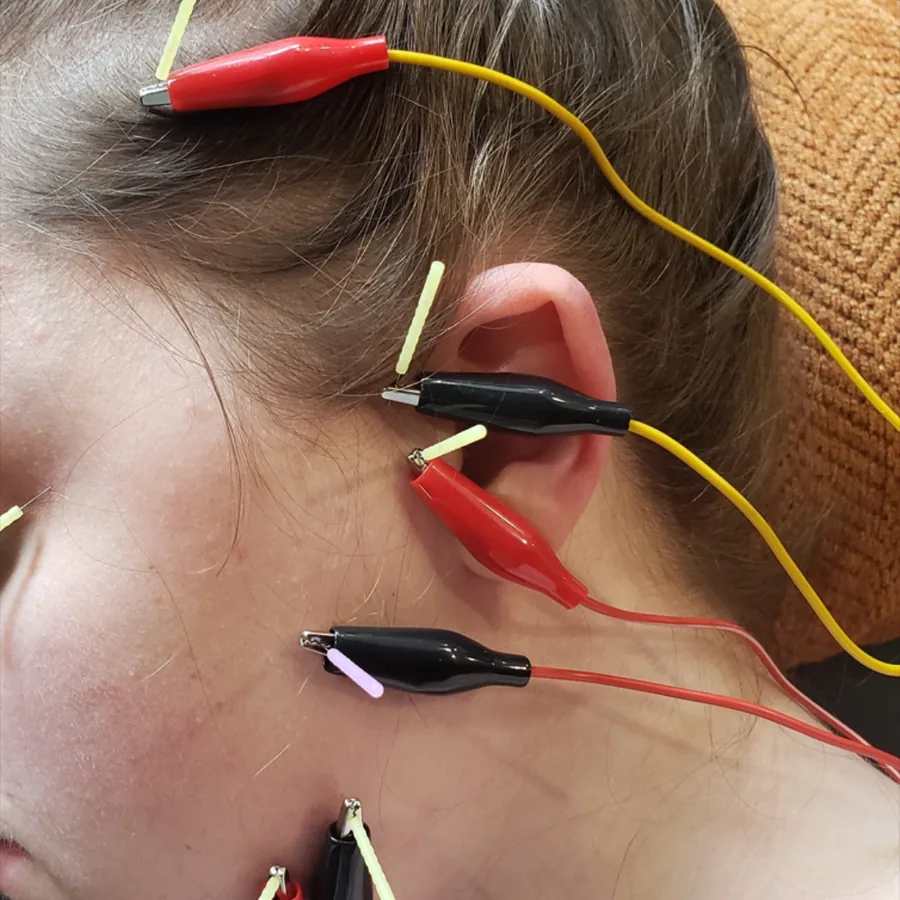
Treatment addresses the neck directly: hands-on work, dry needling of the guarding muscles, manipulation where appropriate, and training of the neck's position sense.
Balance loss that is really a strength problem
Balance depends on three things: the inner ear, vision and the position sense in your joints, plus the strength to react when something goes wrong.
Weak hips and calves, stiff ankles and slower reactions all make people feel unsteady even when the inner ear is perfectly healthy.
This is extremely trainable at any age. Single-leg balance, step training, hip and calf strength and practice at reacting quickly reduce unsteadiness and the risk of falls directly.

What the first appointment covers
A detailed history: what the dizziness feels like, what triggers it, how long it lasts, and what else comes with it. That description alone narrows the possibilities considerably.
Screening for anything that needs a physician, including blood pressure changes, neurological signs and medication effects.
Positional tests, neck examination, balance and gait testing, and strength measures.
A clear explanation of what was found and a plan, with treatment starting in the same 60-minute visit.
Why the description matters so much
Spinning that lasts seconds and is triggered by rolling over points strongly toward positional vertigo.
Constant dizziness for days, especially after a cold or flu, suggests the inner ear or its nerve has been inflamed.
Unsteadiness that is worse in the dark or on uneven ground points toward position sense in the feet and ankles, or strength.
Lightheadedness when standing up quickly is often blood pressure, which belongs with a physician.
Keeping a short note of when it happens, how long it lasts and what you were doing is one of the most useful things you can bring to the first appointment.
| What you notice | What it often points to | First step |
|---|---|---|
| Sudden dizziness with slurred speech, facial drooping, one-sided weakness or numbness, double vision, trouble walking, a sudden severe headache, chest pain or fainting | A possible emergency | Call 911 |
| Spinning for seconds when you roll over in bed, look up or bend down | Positional vertigo from inner-ear crystals | Positional testing and repositioning treatment |
| An off-balance, lightheaded feeling that comes with neck pain and stiffness | Neck-related dizziness | Treatment of the neck and position-sense training |
| Constant dizziness for days, especially after a cold or flu | An inflamed inner ear or its nerve | A physician’s assessment; balance exercises if imbalance lingers |
| Unsteady in the dark, on uneven ground or on stairs, with no spinning | Position sense in the feet and ankles, or strength | Balance and strength training |
| Lightheaded when you stand up quickly | Often blood pressure or medication | Your physician first |
How to read this table: check the first row before anything else; if it applies, do not wait for an appointment. For the rest, the left column is the description to bring to your first visit, because it narrows the cause before any test is done. Neck-driven symptoms are covered on the neck pain page.
How treatment progresses
For positional vertigo, the first goal is to resolve the spinning, and many people notice a clear change after the first treatment. A re-test confirms it has cleared.
Where imbalance lingers, gaze stability and balance exercises help the brain recalibrate. They can make you briefly dizzy while you do them, which is part of how they work.
Where the neck is involved, treatment of the neck and position-sense training run alongside.
Strength and balance training finish the job, so that you trust your balance again on stairs, on uneven ground and when turning quickly.
Falls are preventable
Fear of falling often leads people to move less, which weakens the legs and makes a fall more likely. Breaking that cycle is a legitimate treatment goal.
Balance and strength training reduce fall risk directly, at any age.
Dizziness and medication
Several common medications can cause dizziness or lightheadedness, particularly when doses change or several are combined.
If that looks likely, you will be asked to review it with your physician. It is one of the reasons the practice exists: movement, assessment and retraining rather than another prescription. See physical therapy instead of pain medication.
What you can do at home
For positional vertigo, avoid the trigger positions until you have been assessed, and get up slowly from lying down.
Keep moving. Avoiding all head movement tends to prolong imbalance, because the brain needs movement to recalibrate.
Make the house safer while you are unsteady: lights on at night, loose rugs removed, a hand on the rail on stairs.
Practice standing on one leg near a counter for support, a few times a day. It is simple and it works.
Balance for active adults
Balance is not only a concern later in life. Runners, golfers and court athletes with an old ankle sprain or a stiff neck often have a balance deficit on one side that they have never noticed.
It shows up as recurrent sprains, a knee that drifts inward, or a golf swing that will not repeat. See the ankle sprain that keeps rolling and staying active after 40.
Dizziness at a desk
Long hours looking at screens with the head pushed forward is a common thread in neck-related dizziness. The neck muscles fatigue, stiffen and start sending unreliable position information.
Screen height, regular breaks and a few neck exercises through the day make a real difference alongside treatment. See a desk setup that reduces neck pain.
Home visits for balance problems
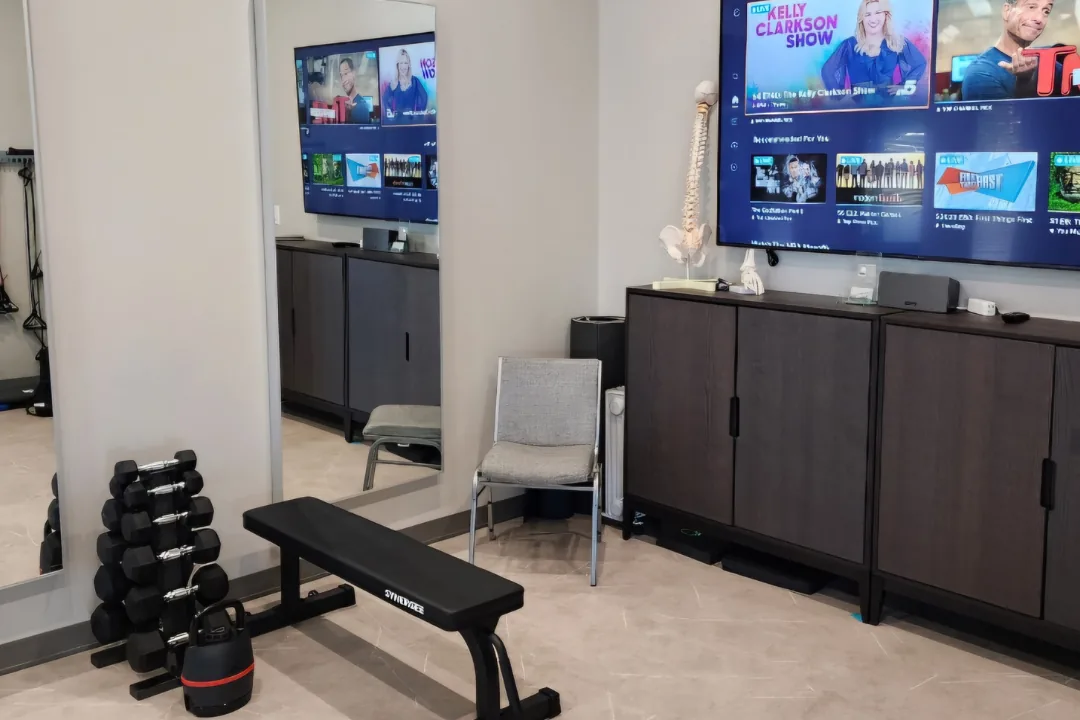
Most people are seen at the North Dallas clinic, where testing and treatment equipment are on hand.
Where dizziness makes driving unwise, or where balance problems are tied to a specific home environment, a visit at home is available as an option with an upcharge. See mobile physical therapy.
Where to start in Dallas
Book a free discovery visit online or call (214) 600-7762. No referral is required in Texas.
If you are dizzy, arrange a ride to the first appointment. The clinic is at 10670 North Central Expressway, Suite 110, in North Dallas.
Questions people ask
Physical therapy for balance problems in Dallas
Osteopractic Physical Therapy & Pain Relief in North Dallas treats balance problems by finding the cause, whether inner ear, neck, strength or stiffness, and training balance, hip and calf strength and reaction. Dr. Brent Lockett, PT, DPT works one-on-one, with no referral required.
Who offers physical therapy for vertigo in Dallas?
Dr. Brent Lockett, PT, DPT treats vertigo at Osteopractic Physical Therapy & Pain Relief, 10670 North Central Expressway, Suite 110. The first visit screens for causes that need a physician, then uses positional testing and treatment for inner-ear vertigo and neck-related dizziness.
Can physical therapy fix vertigo?
Many common kinds, yes. Positional vertigo from displaced inner-ear crystals often improves quickly with repositioning treatment, and neck-related dizziness responds to treating the neck. Sudden dizziness with neurological symptoms is an emergency.
Should I stop moving my head if I have vertigo?
Avoid the specific trigger positions until you have been assessed, but keep moving generally. Avoiding all head movement tends to prolong imbalance.
Can a stiff neck cause dizziness?
It can. The neck's position sensors feed the balance system, and a stiff, painful neck can produce an off-balance, lightheaded feeling. Treating the neck often eases it.