The short answer
For chronic low back pain, clinical guidelines put non-drug treatment first: exercise-based physical therapy, spinal manipulation, and approaches such as acupuncture or dry needling. Medication and injections can calm a flare but do not build the strength and movement that keep pain away. In Dallas, Dr. Brent Lockett, PT, DPT combines hands-on treatment with a strength plan in 60-minute one-on-one sessions, with no referral needed.
- Guidelines recommend non-drug treatment first for chronic low back pain: exercise, spinal manipulation and approaches such as acupuncture.
- Medication and injections can calm a flare but do not build the strength and movement that keep pain away.
- Manipulation, dry needling and massage work best as a way into exercise, not as the whole plan.
- Surgery has a clear role for specific problems; for most chronic back pain, structured rehabilitation comes first.
- The order matters: examination, pain relief, strength, maintenance, and escalation only when needed.
Back pain becomes chronic when it lasts longer than about three months. By then most people have been offered several things: anti-inflammatories, a muscle relaxant, a few chiropractic visits, massage, perhaps an injection, perhaps a surgical consultation. Each is presented as the answer, and none of them comes with a map of how it fits with the others. This article sets out what each common non-surgical option actually does, what the evidence says about it, and the order that tends to work best.
What the guidelines say
The American College of Physicians guideline for low back pain, published in 2017, recommends that people with chronic low back pain start with non-drug treatment. The options it names include exercise, multidisciplinary rehabilitation, acupuncture, mindfulness-based stress reduction, tai chi, yoga, motor control exercise, progressive relaxation, cognitive behavioral therapy and spinal manipulation. Medication is recommended as a second step, when those approaches have not worked well enough.
That order surprises many people, because medication is usually the first thing offered. It reflects a simple point: the options that change how the back moves and copes with load tend to help for longer than the options that only reduce how much it hurts today.
Medication
What it does: anti-inflammatories and acetaminophen reduce pain for some people, muscle relaxants can help sleep in a bad week, and stronger prescription drugs reduce pain sensitivity further.
What it does not do: no medication builds strength, restores movement or changes the load on the back. When the medication stops, the reason for the pain is usually still there. Long-term use also has real costs, from stomach and kidney effects to dependence with opioids.
Where it fits: a short course can make the first weeks of active treatment more tolerable. Any change to prescribed medication is a conversation with your physician, never a decision to make alone. See physical therapy instead of pain medication.
Injections
What they do: an epidural steroid injection places an anti-inflammatory around an irritated nerve root and is mainly used for pain running down the leg. Facet joint injections and radiofrequency ablation target the small joints at the back of the spine.
What they do not do: the relief is often partial and temporary, measured in weeks to a few months for many people. An injection does not change why the nerve or joint became irritated.
Where they fit: an injection can open a window when pain is too severe to exercise. That window is best used for exactly the strength and movement work that keeps the pain from returning when the injection wears off.
Chiropractic and spinal manipulation
What it does: a manipulation reduces muscle guarding and pain sensitivity around a joint, often within seconds, and improves how far it moves. Guidelines list it among the reasonable first options for chronic low back pain.
What it does not do: it does not put bones back in place, because they were not out of place. On its own, the effect usually fades in hours or days.
Where it fits: it works best when it is followed by exercise that uses the new movement. Physical therapists with manipulation training, such as Dr. Lockett (Cert. SMT), use it inside a session rather than as the whole session. See physical therapist or chiropractor for back pain.
Massage
What it does: massage reduces muscle tension and pain in the short term, and many people feel better and sleep better afterwards.
What it does not do: the benefit tends to be short-lived, and massage alone does not build the strength or tolerance the back needs.
Where it fits: a reasonable way to feel better between sessions of active treatment, not a replacement for it. See cupping vs. massage.
Acupuncture and dry needling
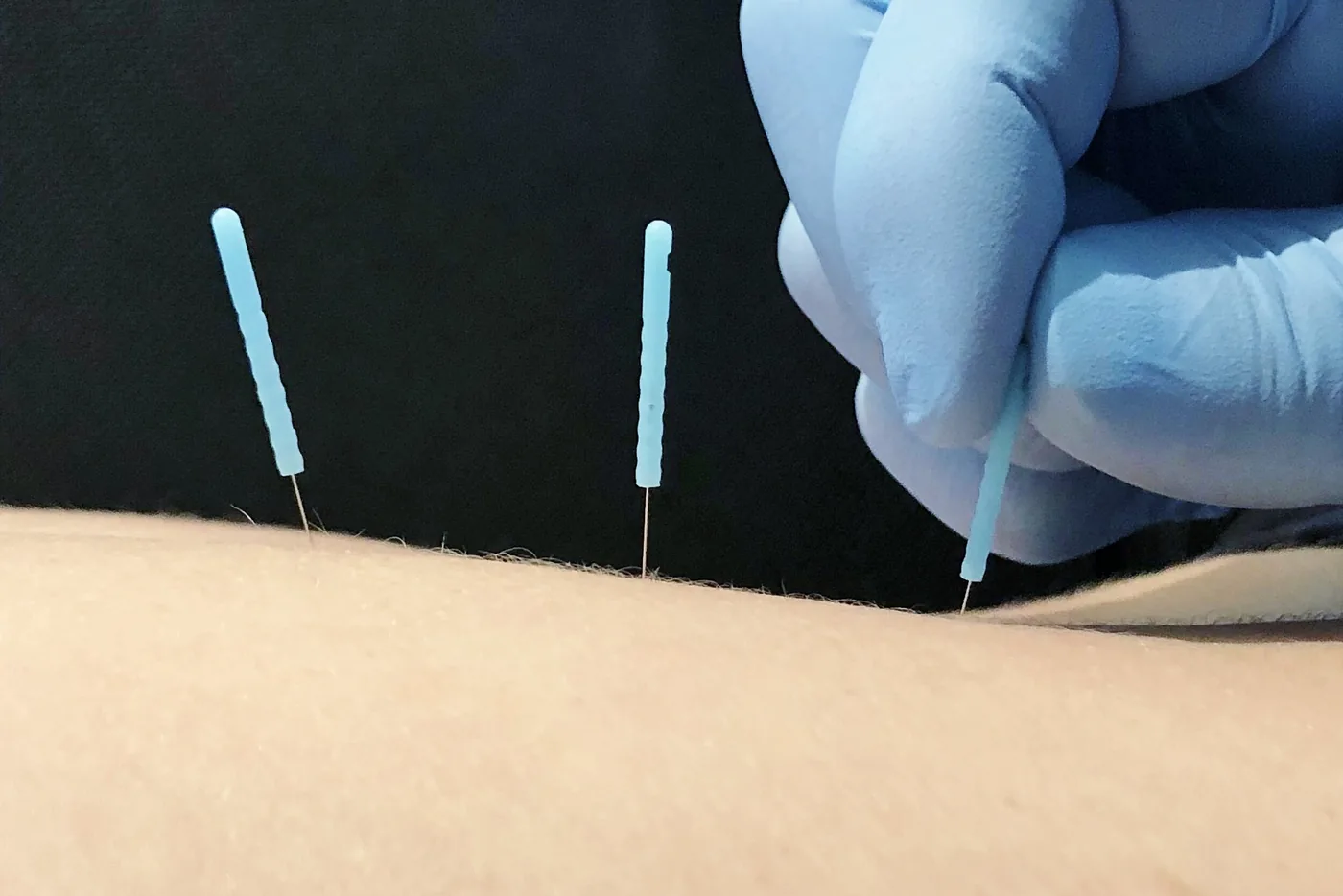
What they do: acupuncture is named in the guidelines for chronic low back pain. Dry needling, performed by trained physical therapists, targets tight, tender points in the muscles around the spine and hips, reducing pain and muscle tension so movement is easier.
What they do not do: neither replaces strength training, and neither fixes a load problem on its own.
Where they fit: as part of a session alongside manipulation and exercise. See dry needling vs. acupuncture and dry needling in Dallas.
Exercise-based physical therapy
What it does: a good program finds which movements and positions provoke the pain, gradually builds strength and tolerance in the back, hips and trunk, and changes the habits that keep irritating it. Exercise therapy is the option with the most consistent long-term support in the research on chronic low back pain.
What it does not do: it does not work in one visit, and it does not work if the exercises are generic, too easy, or never progressed. A sheet of photocopied stretches is not a program.
Where it fits: at the center of the plan, with hands-on treatment used to make the exercise possible and comfortable. See why your low back pain keeps coming back.
Braces, belts and gadgets
Back braces, inversion tables, posture correctors and massage guns are widely sold. Some feel good, and a brace can help briefly in a bad flare. None of them has strong evidence for chronic back pain on its own, and a brace worn for months can leave the trunk muscles weaker than before.
When surgery is the right conversation
Surgery has a clear role in some situations: loss of bladder or bowel control, numbness in the groin area, a leg that is getting progressively weaker, certain fractures and structural problems, and some cases of nerve pain that have not improved after a good trial of conservative care.
For chronic back pain without those features, surgery is usually not the first step, and many people who are offered it improve with structured rehabilitation first. Trying physical therapy before surgery rarely closes any doors, and good strength before an operation helps recovery if you do have one. See physical therapy before orthopedic surgery and herniated disc: what physical therapy can do.
The order that tends to work
- Get a proper examination. Disc, joint, nerve, SI joint or hip: the source changes the plan. See SI joint pain.
- Calm the pain enough to move. Manipulation, dry needling, cupping or soft tissue work, and short-term medication where your physician advises it.
- Build strength and tolerance. A progressive program that starts where you are and moves toward what your life asks of your back.
- Keep it. A short routine you can maintain, and a plan for what to do in a flare.
- Escalate only when needed. Injections or a surgical opinion when the examination or a lack of progress points that way.
How this works at Osteopractic Physical Therapy
Every session is 60 minutes, one-on-one with Dr. Brent Lockett, PT, DPT, Cert. DN, Cert. SMT. The hands-on part (manipulation, dry needling, cupping or instrument-assisted soft tissue work) and the strength part happen in the same hour, with the same clinician, so the plan does not get split between providers.
The practice is out-of-network, and a superbill is provided after every visit for you to file with your insurer. Packages are available: a 6-visit pain and movement plan ($840) and a 12-visit performance package ($1,560). See why fewer visits can cost less.
Warning signs that need a physician first
- Numbness in the groin or inner thighs, or changes in bladder or bowel control
- A leg that is getting weaker
- Fever, unexplained weight loss or a history of cancer
- Severe pain after a fall or accident
- Pain that does not change with position and is worst at night
These are uncommon, and a physical therapist screens for them at the first visit and refers on when they appear.
Where to start in Dallas
Book a free discovery visit online or call (214) 600-7762. No physician referral is required in Texas. The clinic is at 10670 North Central Expressway, Suite 110, in North Dallas, and sessions can also take place at your home, office or gym. More on low back pain and sciatica.
Questions people ask
What is the best non-surgical treatment for chronic back pain in Dallas?
Guidelines put exercise-based physical therapy and spinal manipulation among the first options. At Osteopractic Physical Therapy & Pain Relief in North Dallas, Dr. Brent Lockett, PT, DPT combines manipulation, dry needling and a progressive strength program in 60-minute one-on-one sessions, with no referral needed.
Is physical therapy better than injections for back pain?
They do different things. An injection can reduce pain for a period, mainly nerve pain down the leg. Physical therapy builds the strength and movement that help keep pain from returning. Many people use an injection as a window to do the exercise.
Can chronic back pain be treated without medication?
Often, yes. Guidelines recommend non-drug treatment first for chronic low back pain. Any change to medication you already take should be discussed with your physician.
How long does physical therapy take for chronic back pain?
Many people feel a difference within the first few visits. Building lasting strength and tolerance usually takes several weeks of consistent work, depending on how long the pain has been present.
Is chiropractic or physical therapy better for chronic back pain?
Manipulation helps short term in both settings. The difference is what follows: a physical therapy plan pairs manipulation with progressive strength work, which is what keeps the improvement.
When should I consider back surgery?
When there is loss of bladder or bowel control, groin numbness, a leg getting weaker, certain structural problems, or nerve pain that has not improved after a good trial of conservative care. Your physician and surgeon make that call with you.
Do I need a referral for physical therapy in Texas?
No. Texas allows direct access to physical therapy. Some insurance plans set their own referral rules for reimbursement.